There is no single nationwide payment schedule that is “normal” for every HVAC installation. A reasonable schedule is written into the contract, complies with state and local law, matches payments to identifiable project milestones or delivered equipment, and avoids requiring a homeowner to pay most of the contract price before the work is performed.
- Expect the payment terms to be clear before work starts.
- Deposits and progress-payment limits can vary sharply by state, so local contractor rules matter more than a generic percentage found online.
- The contract should tie money to defined work, equipment, delivery, installation, startup, inspection, or completion milestones.
Why There Is No Universal HVAC Deposit Percentage
HVAC projects range from a straightforward equipment changeout to a multi-stage installation involving ductwork, electrical upgrades, gas piping, permits, cranes, controls, or specialty equipment. Contractor purchasing terms also differ.
More importantly, home-improvement laws are state-specific. The Federal Trade Commission advises consumers to get a written contract that includes a payment schedule, but it also notes that contract requirements vary by state.
That is the safest national starting point: insist on written terms, then verify local rules before deciding whether a requested deposit is reasonable.
A Good Schedule Connects Payment to Progress
A payment schedule is easier to evaluate when each installment corresponds with something concrete.
| Milestone | What the contract should clarify |
|---|---|
| Deposit | Amount, legal limit, purpose, and refund/cancellation terms |
| Equipment ordering or delivery | Exact equipment or material covered and when ownership transfers |
| Installation progress | Defined phase of work completed before payment is due |
| Startup or commissioning | What testing, setup, and documentation are included |
| Final payment | Conditions for completion, punch-list items, permits, and inspection |
Avoid schedules that use vague labels such as “second payment” without describing what must have happened first.
State Rules Can Change the Answer Dramatically
California provides a clear example of why online advice must be jurisdiction-specific. The Contractors State License Board states that, for covered home-improvement contracts, the down payment generally cannot exceed $1,000 or 10 percent of the contract price, whichever is less, and progress payments cannot exceed the value of work performed or materials delivered. Its home-improvement contract guidance also requires a detailed written payment schedule.
Massachusetts uses a different framework. The state’s sample home-improvement contract guidance describes deposit and payment-schedule requirements under Massachusetts law, including a different advance-payment limit.
Those examples should not be copied into a contract in another state. They demonstrate the principle that deposit rules, cancellation rights, lien notices, registration requirements, and final-payment conditions can differ.
What to Check Before Paying a Deposit
Before money changes hands, confirm that the proposal identifies the contractor and the complete project scope. For an HVAC replacement, that scope may include:
- Manufacturer and model numbers or an equivalent clearly defined equipment specification.
- Efficiency ratings and matched-system information where applicable.
- Indoor and outdoor equipment, thermostat or controls, and accessories.
- Duct, drain, electrical, gas, venting, pad, line-set, or structural work included.
- Permit responsibilities and inspection requirements.
- Equipment removal and disposal.
- Startup, airflow setup, refrigerant commissioning, and system testing.
- Warranty terms for equipment and labor.
- Start timing, substantial completion, and final completion conditions.
A payment schedule is only as clear as the scope it is paying for.
Equipment Ordering Can Justify a Milestone, but Verify the Terms
Contractors may need to order equipment before installation. That does not automatically mean the customer should pay the entire job cost upfront.
Ask what the equipment payment covers, whether the equipment is already in stock, when it will be delivered, whether it is returnable, and what happens if the project is canceled or delayed. If a large special-order component is involved, review local law and the written contract before paying.
For major replacement work, it is also useful to understand how equipment age and condition affect the repair-versus-replace decision before signing a contract that commits to a full replacement.

Progress Payments Should Be Easy to Verify
A milestone such as “rough ductwork complete” or “equipment set and connected” is easier to verify than a date-only installment. Dates can shift because of permitting, weather, delivery, or job-site conditions. Work-based milestones tell both parties what performance triggers payment.
The contract should also explain change orders. If the contractor discovers electrical, duct, structural, or code-related work that was not included, the price and scope change should be documented before the extra work proceeds where required.
Final Payment Should Correspond With Actual Completion
“Installed” and “complete” are not always the same thing. An HVAC system may be physically in place but still need controls setup, airflow balancing, refrigerant verification, condensate testing, combustion checks where applicable, permits, inspections, or warranty registration steps.
Define completion in the contract. A reasonable final-payment milestone can reference startup, required inspection, agreed punch-list completion, and delivery of final documentation.
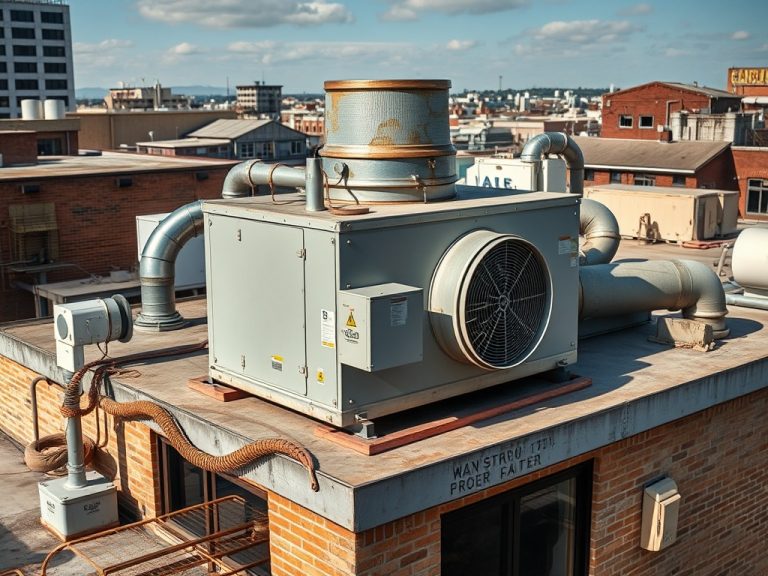
If the project includes specialized equipment such as makeup air units, commissioning and controls testing may be a meaningful project phase rather than a minor afterthought.
Red Flags in a Payment Request
A payment request deserves more scrutiny when:
- Most or all of the contract price is due before work begins.
- The payment schedule is missing from the written agreement.
- Milestones are vague or unrelated to completed work or delivered materials.
- The contractor asks for cash only or payment to an unrelated person.
- The requested deposit appears to exceed a state limit.
- The contractor pressures the customer to pay immediately before checking licensing or permits.
- Change-order costs are demanded without written documentation.
- Final payment is requested while material contract items remain incomplete.
These are evaluation signals, not automatic proof of wrongdoing. Local law and the actual contract control.
Financing Does Not Remove the Need to Understand Milestones
Some HVAC projects are financed through a contractor partner, bank, credit union, utility program, or other lender. Financing can change when the contractor receives funds and when the homeowner begins repayment.
Read both agreements. Confirm whether the loan is disbursed at signing, equipment delivery, installation, or completion, and understand any cancellation or dealer-fee terms. Do not assume the financing agreement replaces the installation contract.
Refrigerant and Startup Work Should Be in Scope
For split-system air conditioners and heat pumps, final commissioning can involve refrigerant procedures, temperature measurements, airflow setup, and controls verification. If a contractor discovers a refrigerant leak during replacement or startup, the written scope should make clear how unexpected repair work is handled.
This is particularly important when existing line sets, coils, or accessories are being reused.
A Practical Way to Review the Schedule
Read the payment section from the bottom up. Start with what must be true before final payment. Then work backward through each milestone and ask whether the remaining unpaid balance would be enough to motivate completion of the remaining scope.
Next, check your state contractor licensing agency, attorney general, consumer-protection office, or applicable local authority for deposit and progress-payment rules. Finally, confirm that every oral promise that affects price, equipment, timing, or payment appears in writing.
For informational and educational purposes only; this article does not constitute legal, financial, contracting, or HVAC advice. Payment laws and contract requirements vary by jurisdiction, so consumers should review applicable local rules and seek professional advice when needed.
Before signing an HVAC installation agreement, verify the contractor’s license where required, compare the payment schedule with your state’s rules, and make sure every payment is tied to a clearly defined project milestone.