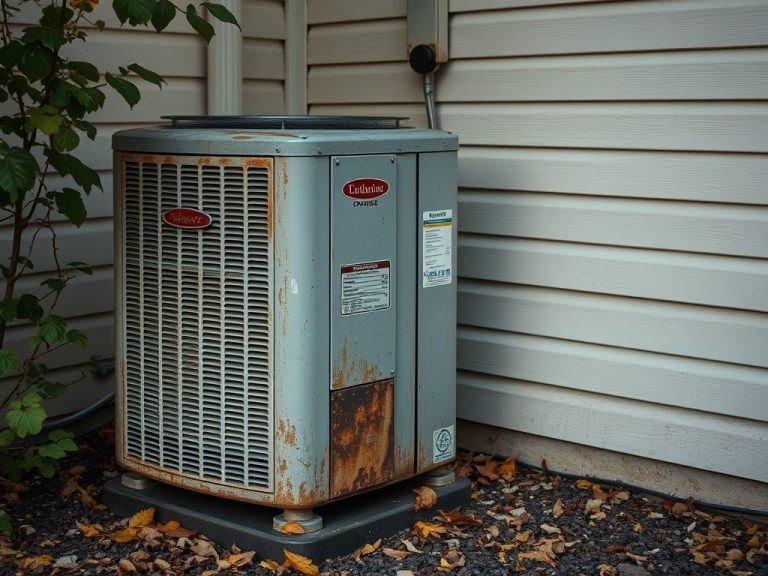
A refrigerant leak usually shows up first as a change in cooling or heat-pump performance rather than as a visible puddle. Weak cooling, longer run times, ice on the evaporator or refrigerant line, hissing near the refrigerant circuit, or oily residue around fittings can justify professional leak testing, but none of those signs alone confirms a leak.
- Low refrigerant is a symptom, not a maintenance item that should normally need routine “topping off.”
- Cooling loss, icing, unusual sounds, and oily residue can point toward a leak, but airflow, controls, and other faults can create similar symptoms.
- Refrigerant work should be diagnosed and handled by appropriately certified technicians using approved service practices.
Why a Leak Changes System Performance
In a vapor-compression air conditioner or heat pump, refrigerant circulates between indoor and outdoor heat exchangers. It absorbs heat at one part of the cycle and releases heat at another. If refrigerant escapes, the system’s pressures and heat-transfer conditions can move away from the values expected by the equipment design.
That does not mean every warm vent or frozen coil is caused by low charge. A dirty filter, failed blower, blocked coil, sensor issue, expansion-device problem, or other fault can produce overlapping symptoms. Good diagnosis separates the refrigerant circuit from airflow and control problems before adding refrigerant or replacing parts.
Early Signs Worth Documenting
Manufacturer troubleshooting guidance from Trane on refrigerant leaks lists reduced cooling, higher humidity, uneven cooling, and increased energy use among possible signs. It also notes that oily residue around fittings or refrigerant components can be a visual clue because compressor oil can travel with escaping refrigerant.
| Possible sign | What else can cause it | What to do |
|---|---|---|
| AC runs but air is not cold enough | Dirty coil, airflow restriction, compressor or control fault | Check simple airflow items, then schedule diagnosis if the problem persists |
| Ice on coil or refrigerant line | Low airflow, dirty filter, blower problem, low refrigerant | Turn cooling off if icing is severe and have the cause diagnosed |
| Hissing near refrigerant piping | Pressure equalization or another mechanical sound | Note where and when it occurs; persistent hissing deserves inspection |
| Oily residue at a fitting or coil | Service oil, contamination, another leak source | Do not disturb the area; point it out to the technician |
| Longer run time or rising use | Weather, thermostat settings, dirty filters, duct loss, equipment wear | Compare conditions before assuming refrigerant loss |
A useful homeowner role is observation, not confirmation. Write down when the symptom began, whether it changes with outdoor temperature, whether icing appears, and whether the system eventually reaches setpoint.
Ice Is a Warning, Not a Leak Detector
A frozen evaporator can occur when the coil temperature falls below freezing and moisture on the coil turns to ice. Low refrigerant can contribute, but so can inadequate airflow. Continuing to run a badly iced system can further restrict airflow and make diagnosis harder.
If the indoor coil or large refrigerant line is covered in ice, switch cooling off and allow the system to thaw according to safe manufacturer guidance. A fan-only setting may help in some systems, but equipment-specific instructions should take priority. Do not chip ice from the coil, bend fins, or apply heat directly.
This is also where condensate issues can overlap. When a coil thaws, the drain system has to handle the released water. Reviewing drain pan problems that maintenance should catch can help distinguish normal condensate handling from overflow caused by an icing event.
Why “Just Add Refrigerant” Is Usually the Wrong First Question
A sealed refrigerant circuit is not designed to consume refrigerant like fuel. If a confirmed system is low, the technician should determine why. Adding charge without investigating the leak can temporarily alter performance while leaving the underlying fault in place.
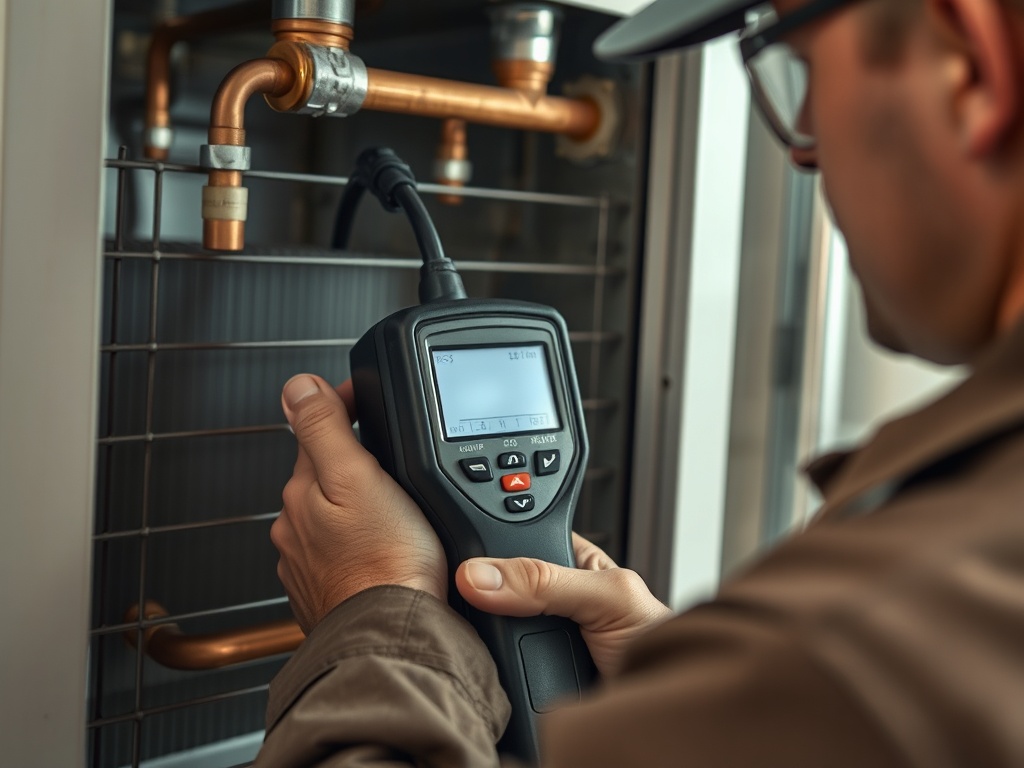
The repair process can involve leak detection, component inspection, pressure or temperature measurements, recovery of refrigerant when required, repair or replacement of the leaking component, evacuation, and recharging according to the equipment specification. The exact process depends on the system and refrigerant.
EPA’s Section 608 overview explains federal requirements for handling stationary refrigeration and air-conditioning refrigerants, including technician certification, recovery, recycling, and restrictions on venting. Requirements can also vary by refrigerant, equipment type, charge size, and jurisdiction.
Small Residential Systems and Large Appliances Are Not Regulated Identically
It is easy to read a refrigerant rule online and apply it to every air conditioner. EPA’s stationary refrigeration leak-repair requirements include specific trigger-rate obligations for certain appliances above defined charge thresholds. Those provisions should not be generalized to every residential system without checking which rules actually apply.
For a homeowner, the practical point is simpler: refrigerant recovery and service are regulated activities, and system-specific work should be performed by qualified personnel. For facility teams, equipment inventories should include refrigerant type and charge information so compliance decisions are based on the correct appliance category.
When a Suspected Leak Becomes More Urgent
Schedule service promptly when cooling performance is dropping, ice returns after basic airflow checks, hissing is persistent near the refrigerant circuit, or oily residue appears around a coil or connection. Turn the system off and seek immediate professional guidance if there is severe icing, electrical burning odor, repeated breaker trips, or another condition that could damage equipment or create a safety concern.
A leak also deserves faster attention when the system serves heat-sensitive occupants, critical operations, server rooms, or processes that cannot tolerate prolonged temperature drift.
Repair or Replace Depends on More Than Leak Size
A technician may find a repairable fitting, a leaking coil, damaged tubing, or another source. The decision to repair or replace should consider equipment age, overall condition, warranty, parts availability, refrigerant type, repair scope, repeated failures, and whether the existing system still matches the building load.
A leak in otherwise serviceable equipment is a different decision from a major refrigerant repair on an older system with repeated failures.
If replacement is proposed, also compare what work is included beyond the outdoor unit: indoor coil compatibility, line-set requirements, electrical work, controls, condensate changes, permits, duct modifications, commissioning, and disposal. Before signing, review the HVAC installation payment schedule alongside the scope.
What to Tell the Technician
Good symptom notes can shorten the diagnostic process. Before the visit, record:
- Thermostat setpoint and indoor temperature when the problem occurs.
- Whether airflow feels normal or reduced.
- Which rooms are affected.
- Whether ice appears and where.
- Any hissing, bubbling, or unusual compressor sounds.
- Whether filters were recently changed.
- Recent repairs, construction, storm damage, or work near refrigerant lines.
Avoid opening sealed refrigerant components or attempting a DIY recharge. Refrigerant, high voltage, and pressurized equipment require appropriate training and tools.
For facility managers, repeated leak events should also be tracked over time. A service history can reveal whether the same component or connection is failing and whether repair strategy needs to change.
Catch the Pattern Before the Compressor Becomes the Story
The value of recognizing early symptoms is not to diagnose the leak from the hallway. It is to notice that system behavior has changed and arrange proper testing before prolonged abnormal operation creates additional stress or leaves the building without cooling.
For informational and educational purposes only; this article does not constitute HVAC, electrical, environmental-compliance, or legal advice, and refrigerant work should be handled by qualified technicians in accordance with applicable regulations and manufacturer requirements.
If weak cooling, recurring ice, or persistent refrigerant-circuit noise is developing, document the symptoms and schedule a professional leak diagnosis rather than treating repeated refrigerant additions as routine maintenance.