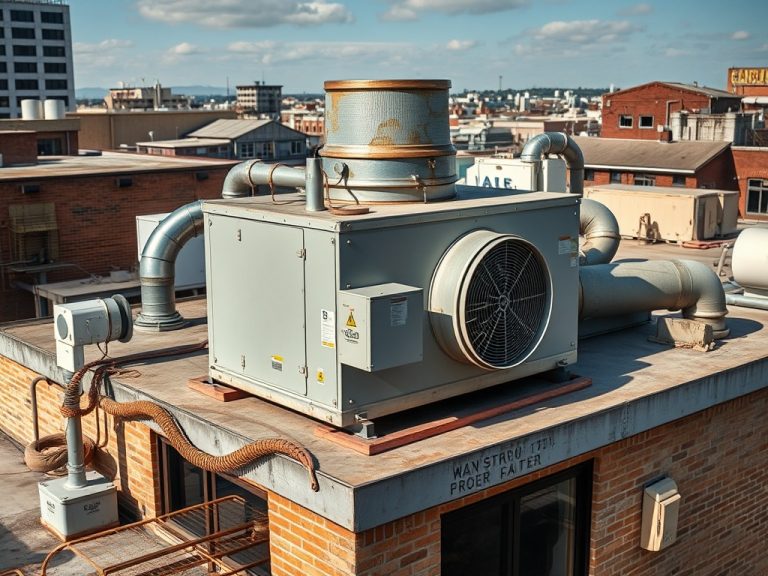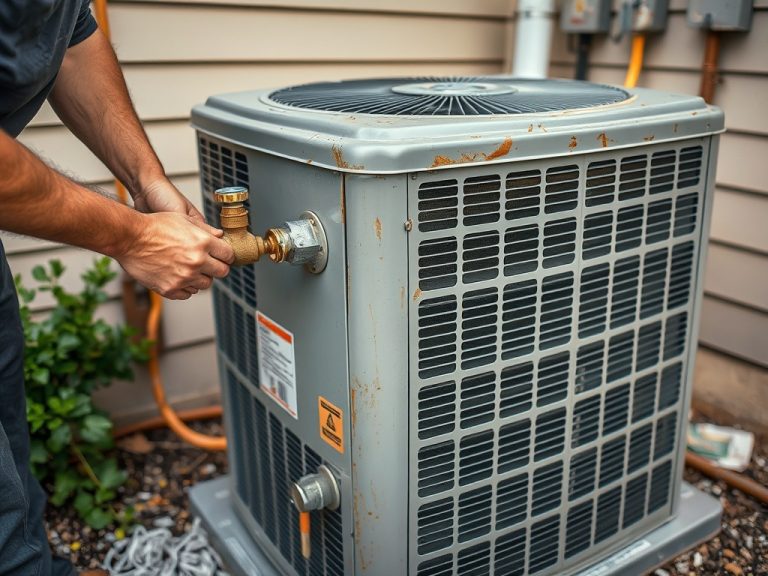
There is no single expiration date for HVAC equipment. Age is best treated as one replacement signal among several, because installation quality, climate, operating hours, maintenance, airflow, controls, and repair history can cause otherwise similar systems to age very differently.
- Use age as a planning threshold, not a promise of remaining life.
- ENERGY STAR suggests considering replacement when a heat pump or air conditioner is more than 10 years old, or a furnace or boiler is more than 15 years old, especially when repairs and energy use are increasing.
- Condition, comfort, parts availability, repair frequency, safety, and the quality of the existing installation should influence the final decision.
What “Typical Lifespan” Really Means in HVAC
People often want one number that tells them when an air conditioner, furnace, boiler, or heat pump will fail. Real equipment does not age on a fixed schedule. A lightly used system in a mild climate may have a different service history from the same model operating long hours under heavy loads. Duct problems, poor airflow, improper refrigerant charge, oversizing, electrical stress, corrosion, moisture, and deferred maintenance can also change the outcome.
ENERGY STAR’s guidance on when to consider replacement provides practical age thresholds without claiming that every unit fails at those ages. It advises homeowners to consider replacement when a heat pump or air conditioner is more than 10 years old, or when a furnace or boiler is more than 15 years old, particularly when other warning signs are present.
Age Thresholds Are Planning Signals, Not Failure Dates
A useful way to interpret those thresholds is as a point to become more deliberate about budgeting, repair decisions, and system evaluation.
| Equipment category | ENERGY STAR replacement consideration point | What to evaluate alongside age |
|---|---|---|
| Heat pump | More than 10 years old | Repairs, comfort, runtime, refrigerant system condition, controls |
| Central air conditioner | More than 10 years old | Cooling performance, humidity control, repair history, efficiency |
| Furnace | More than 15 years old | Heat exchanger and combustion condition, controls, repair frequency |
| Boiler | More than 15 years old | Leaks, controls, distribution system, combustion and venting condition |
These are not guaranteed service-life ranges. Equipment can need replacement earlier or remain operational longer. The value of the table is to identify when a homeowner should stop treating age as irrelevant and start comparing the cost and risk of continued repair with the benefits and scope of replacement.
Repair Frequency Often Matters More Than the Calendar
One isolated repair does not automatically justify replacement. A failed capacitor, contactor, igniter, condensate switch, or similar component may be straightforward to correct depending on the system. A pattern of repeated failures is different.
Frequent service calls can indicate that several components are reaching the end of their useful condition, that the system has an unresolved installation problem, or that an older piece of equipment is becoming difficult to support. Rising repair frequency also changes the financial question: money spent keeping the system running could instead be applied to a planned replacement.
Before deciding, ask for the diagnosis in writing. Separate the failed component from any related contributing condition. A repair quote should explain whether the proposed work restores normal operation, addresses a recurring root cause, or simply keeps the system operating temporarily.
Comfort and Runtime Can Reveal a System That Is Aging Poorly
Older equipment does not need to be visibly broken to become a replacement candidate. Rooms that are increasingly difficult to heat or cool, longer run times under ordinary weather, worsening humidity control, or a system that no longer reaches setpoint can justify a deeper assessment.
These symptoms are not proof that the equipment itself is worn out. Duct leakage, insulation changes, dirty coils, airflow restrictions, thermostat problems, altered building use, or additions to the home can create similar complaints. A good evaluation checks the whole system rather than assuming age is the cause.
That broader view matters when deciding how makeup air and outdoor-air loads affect a building or when commercial exhaust and ventilation have changed since the original equipment was selected. The equipment may be old, but the building load may also have changed.
Maintenance Records Help Separate Wear From Neglect
A consistent maintenance history gives a technician more context. ENERGY STAR’s HVAC maintenance checklist recommends regular inspection of items such as electrical connections, thermostat operation, moving parts, and condensate drainage. Records of those visits can show whether problems developed suddenly or followed a long period of declining performance.
Maintenance cannot make equipment last forever, and it does not guarantee that major components will not fail. It can, however, reduce avoidable operating problems and provide opportunities to identify issues before they become emergencies.
For cooling systems, simple items such as drain pan and condensate problems should not be ignored. Water management failures can damage surrounding materials, trip safety switches, or contribute to moisture problems even when the compressor and fan still operate normally.
Parts, Refrigerant, and Serviceability Can Change the Decision
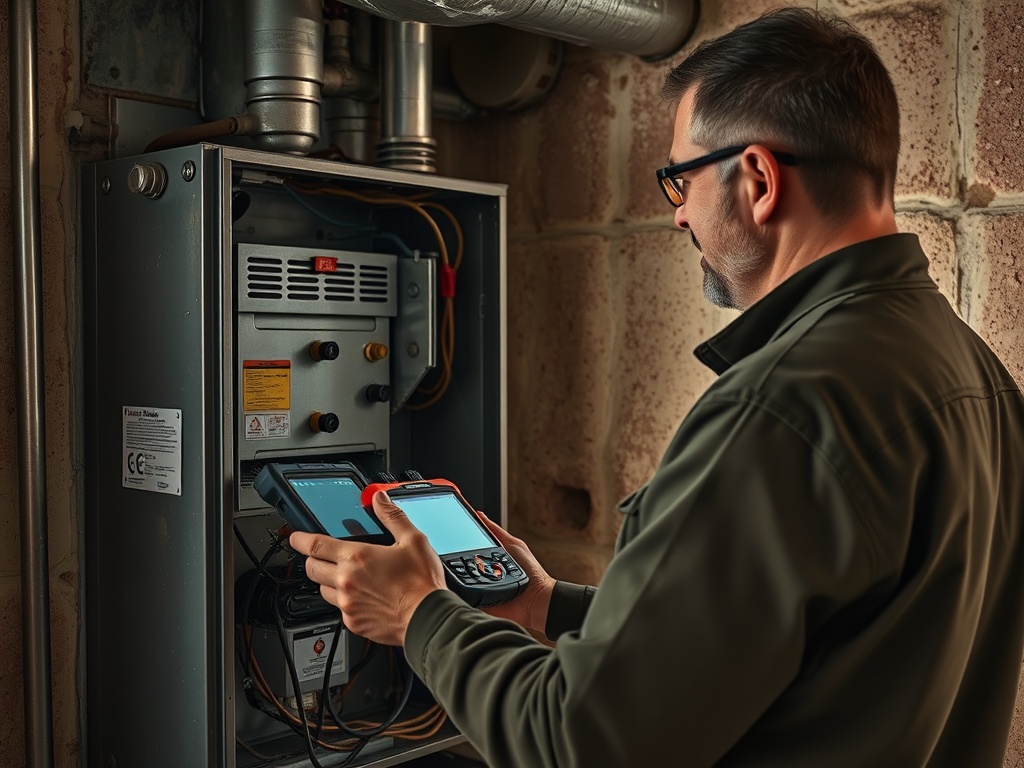
An older system may still operate, yet replacement can become more practical when a major failed component is expensive, difficult to source, or tied to equipment that is no longer readily serviceable. Refrigerant type can also affect the repair conversation because refrigerant regulations, availability, and approved service practices change over time.
For systems with a suspected refrigerant leak, the symptoms and next steps are different from ordinary age-related wear, and a recharge alone should not be assumed to solve the problem.
When Replacement Becomes Easier to Justify
Replacement becomes more compelling when several factors occur together:
- The equipment is beyond a recognized replacement consideration age.
- Repairs are becoming frequent or costly relative to the system’s condition.
- Major components have failed or show significant deterioration.
- Comfort problems persist after airflow, ducts, controls, and building-envelope issues are checked.
- Energy use has increased without a clear change in weather, rates, occupancy, or setpoints.
- The system has safety, combustion, electrical, drainage, or refrigerant issues that materially affect repair scope.
- Replacement would correct known design problems such as improper sizing, poor equipment matching, or obsolete controls.
No single bullet proves that replacement is required. The pattern matters.
Build a Replacement Plan Before the Emergency
The least convenient time to compare equipment is during a heat wave or cold spell after a complete failure. Once equipment reaches the age where replacement is foreseeable, homeowners can prepare without committing immediately.
Start by recording model and serial information, installation date, major repair history, annual maintenance notes, utility trends, comfort complaints, and any planned building changes. Then obtain a load-based replacement proposal rather than assuming the next unit should match the old nameplate capacity.
If replacement becomes the preferred path, review the contract terms as carefully as the equipment. A clear scope should identify model numbers, efficiency ratings, duct or electrical work, permits, disposal, controls, commissioning, warranties, and the payment schedule for HVAC installation.
A Better Question Than “How Many Years Are Left?”
Instead of asking for a prediction that no contractor can guarantee, ask, “What evidence shows this system is still a reasonable repair candidate?” The answer should connect age with measured condition, fault history, performance, safety, parts support, and the cost of restoring dependable operation.
That approach keeps the decision grounded in the actual system rather than a generic lifespan chart.
For informational and educational purposes only; this article does not constitute HVAC, electrical, structural, financial, or legal advice, and equipment-specific repair or replacement decisions should be reviewed with a licensed HVAC contractor or technician.
If your system has crossed ENERGY STAR’s replacement consideration age, collect its repair and maintenance history and request a written condition assessment before the next major failure forces a rushed decision.