Balance and stability training helps athletes who need better body control, landing mechanics, and joint awareness. It becomes counterproductive when every exercise is made unstable and the athlete stops building strength, skill, or speed.
TL;DR: Use stability work as a targeted tool, not the whole program. Start with control, progress to sport-specific movement, and avoid unstable drills that look impressive but do not transfer.
Who benefits most
Balance work can help athletes returning from injury, young players learning movement basics, older adults maintaining confidence, and sport participants who cut, land, rotate, or absorb contact. The goal is better control, not circus-style difficulty.
The American Academy of Pediatrics offers broad injury prevention resources and guidance on overuse injuries, both of which support the idea that training load and movement quality should be managed carefully.
What good stability work looks like
Good drills are specific and repeatable. A single-leg balance hold may teach foot control. A controlled step-down may teach knee alignment. A landing drill may teach the athlete to absorb force without collapsing inward.
Progression should move from stable to slightly unstable, slow to faster, and simple to sport-like. If the athlete cannot control a basic version, adding a wobble board usually hides the problem rather than fixing it.
| Need | Useful drill type | Avoid |
|---|---|---|
| Ankle control | Single-leg balance and reaches | Long shaky holds with no purpose |
| Landing mechanics | Drop landing with alignment cue | Adding height too soon |
| Cutting control | Deceleration into planned direction | Random chaos before technique |
| Return from injury | Clinician-guided progression | Ignoring pain or swelling |
Signs you are overdoing it
You may be overdoing stability work if sessions contain endless balance gadgets, heavy fatigue before technical practice, or drills that have no connection to the sport. Another warning sign is replacing strength training with unstable versions of every lift.
Stability is one quality. Athletes still need strength, mobility, coordination, conditioning, decision-making, and recovery. A complete plan connects those pieces rather than turning balance into a standalone obsession.
How to combine it with practice
Place short stability drills near the warmup or early skill block, when attention is fresh. Use them to reinforce positions the athlete will need later: landing, decelerating, bracing, or changing direction.
For players returning from injury, stability work should fit inside a broader return-to-play protocol. For esports athletes, the concept is different but related: better control and fatigue management also affect fine motor performance during aim training.
A practical rule of thumb
Use stability drills to solve a movement problem you can name. If the problem is unclear, choose a simpler exercise and observe. Progress only when the athlete can repeat the movement without compensation.
The best stability plan is usually quiet and boring: a few precise drills, consistent practice, and clear transfer into sport movement.
Balance Training Visual Direction
Where balance work helps most
Balance training is most useful when it supports a real movement problem. Athletes returning from ankle, knee, or hip issues may need controlled stability work before speed, jumping, and contact feel normal again.
Older adults and recreational athletes can also benefit when the goal is safer movement, better foot control, and confidence on uneven surfaces. The work should be simple enough to repeat with good posture.
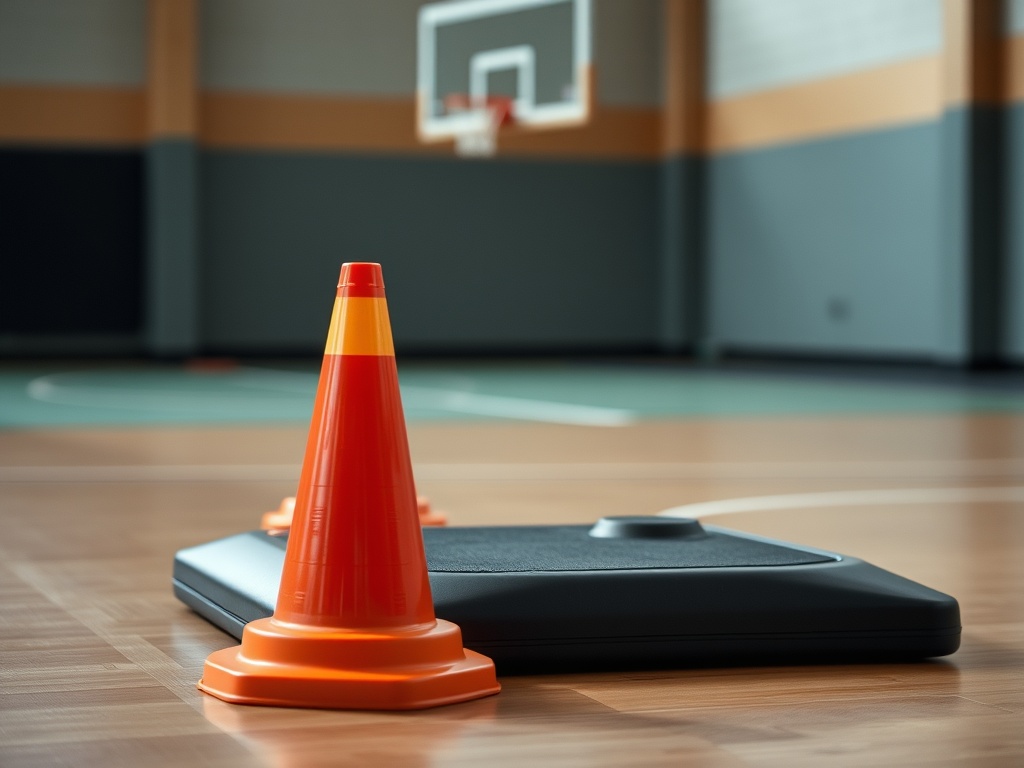
For competitive athletes, balance drills should connect to the sport. Standing on an unstable surface forever is less useful than learning to land, cut, brake, rotate, or absorb force in positions the sport actually demands.
Signs the training has gone too far
Balance work becomes excessive when it replaces strength, conditioning, skill practice, or recovery. If every exercise looks unstable, the athlete may never load the body enough to build capacity.
Another warning sign is sloppy movement. Shaking, twisting, or grabbing for support is not automatically productive. A drill should challenge control without turning every repetition into survival.
Coaches should progress from stable to unstable only when the athlete owns the easier version. That sequence keeps the training purposeful instead of theatrical.
Better progressions for real use
A good progression might begin with single-leg stance, then reach tasks, then controlled hops, then sport-specific deceleration. The difficulty rises because the movement demand rises, not because the exercise looks more dramatic.
The athlete should leave the session moving better, not simply exhausted. Balance is a tool for better positions and safer transitions, not a contest to find the strangest surface in the gym.
This extra check keeps the balance advice connected to real decisions rather than abstract theory. Readers should compare the recommendation with their level, schedule, budget, available support, and risk tolerance. That practical filter helps beginners act carefully while giving experienced readers enough context to adapt the guidance. The point is not to add complexity; it is to make the next step easier to choose and easier to explain. Use the details that match the situation, then ignore anything that does not improve safety, clarity, preparation, or enjoyment. A measured approach also prevents one exciting idea from crowding out the habits that make steady progress possible. When the setting changes, review the assumptions again so the advice stays useful rather than automatic. That habit keeps decisions grounded, flexible, and easier to adjust when new information appears. For balance topics, the strongest advice usually comes from matching the method to the person and the moment. Small constraints matter because time, equipment, confidence, travel, recovery, and skill level can change the right answer. A reader can use the same principle by asking what problem needs solving before choosing a tool or routine. If the answer is unclear, choose the safer and simpler option until better evidence or experience points another way. This keeps the article useful as a guide, not a rigid rulebook that ignores real conditions. Clear notes also help people revisit the decision later and understand why a particular step made sense. The most reliable plan is specific enough to act on and flexible enough to change when circumstances shift. That balance is what separates helpful sports guidance from advice that sounds confident but fails in practice. Readers should treat examples as starting points, then adjust them to age, setting, goals, and available supervision. Review balance context first before acting too quickly again later today safely together now consistently always.