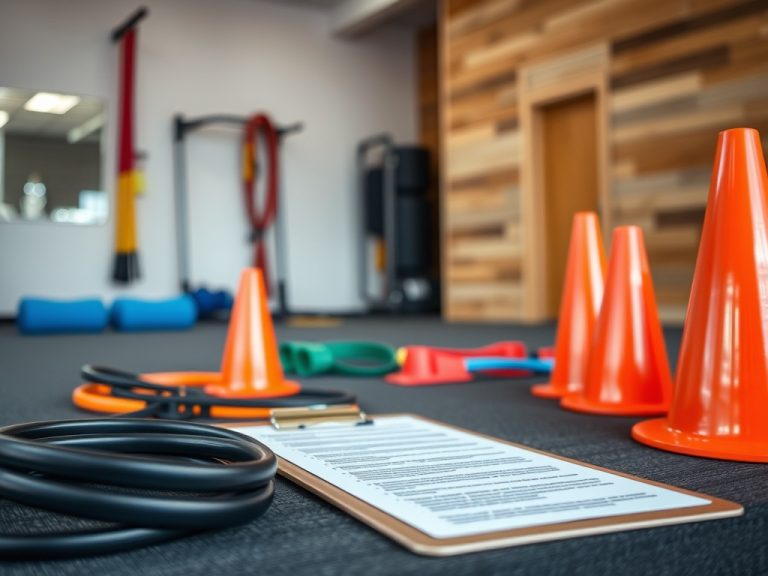
An indoor trainer is usually the better value if you already own a suitable bike, while a smart bike is cleaner, quieter, and easier to share. The right choice depends on budget, space, noise, fit needs, and how often you ride indoors.
TL;DR: Choose an indoor trainer for lower cost and bike familiarity. Choose a smart bike for a dedicated setup, quick adjustments, and fewer compatibility headaches.
What each setup actually includes
An indoor trainer turns an outdoor bike into a stationary bike. Wheel-on trainers clamp the rear wheel; direct-drive trainers replace the rear wheel and connect the drivetrain to the trainer. A smart bike is a purpose-built indoor machine with adjustable fit and built-in resistance.
The Union Cycliste Internationale offers a practical overview of indoor training options in its indoor cycling guide, which is useful for understanding the difference between traditional and smart systems.
Fit and space are the first filters
A trainer keeps your own saddle, handlebar position, and frame feel. That is valuable if you are training for outdoor riding. A smart bike is better when several people will share one setup because seat height, reach, and crank settings can be adjusted without swapping bikes.
Space matters too. A trainer setup may require room for the bike, front wheel block, mat, fan, and drivetrain access. A smart bike can look neater, but it is still heavy and not easy to move every day.
| Factor | Indoor trainer | Smart bike |
|---|---|---|
| Starting cost | Usually lower if you own a bike | Usually higher upfront |
| Fit feel | Uses your outdoor bike | Highly adjustable but different feel |
| Shared use | Awkward if riders need different bikes | Easier for multiple riders |
| Noise and wear | Depends on trainer and drivetrain | Often cleaner and quieter |
| Best for | Budget-conscious cyclists and outdoor-bike specificity | Dedicated indoor riders and shared households |
Noise, maintenance, and setup friction
Direct-drive trainers are generally quieter than older wheel-on units, but the drivetrain still makes sound. Smart bikes often reduce drivetrain noise and tire wear because there is no rear tire rubbing a roller.
Maintenance is not only mechanical. You also need to think about app pairing, firmware updates, fan placement, sweat protection, and floor protection. A cheaper setup that is hard to use may get ignored after two weeks.
When the upgrade makes sense
Upgrade to a smart bike when indoor riding becomes a primary training habit, when multiple riders need the same station, or when compatibility issues keep interrupting workouts. Stay with a trainer when you ride indoors occasionally, have limited budget, or want the indoor feel to match your outdoor bike.
Training consistency matters more than buying the most advanced item. The same principle applies across sports: equipment helps when it supports a repeatable plan, just as esports aim training depends on routine more than flashy tools.
A simple buying conclusion
Pick the option that removes excuses. If your bike fits well and you want controlled winter miles, a direct-drive trainer is a practical middle ground. If you want a shared, permanent indoor station with fast adjustments, a smart bike is easier to live with.
Before purchasing, measure the space, check drivetrain compatibility, budget for a fan and mat, and decide how often the setup will be used during a normal month.
Cycling Setup Visual Direction
Matching the setup to your riding style
The best choice depends on how often the rider trains indoors, how much space is available, and whether the home setup must be shared with other people. A compact trainer can disappear into a closet, while a smart bike often becomes a permanent station.
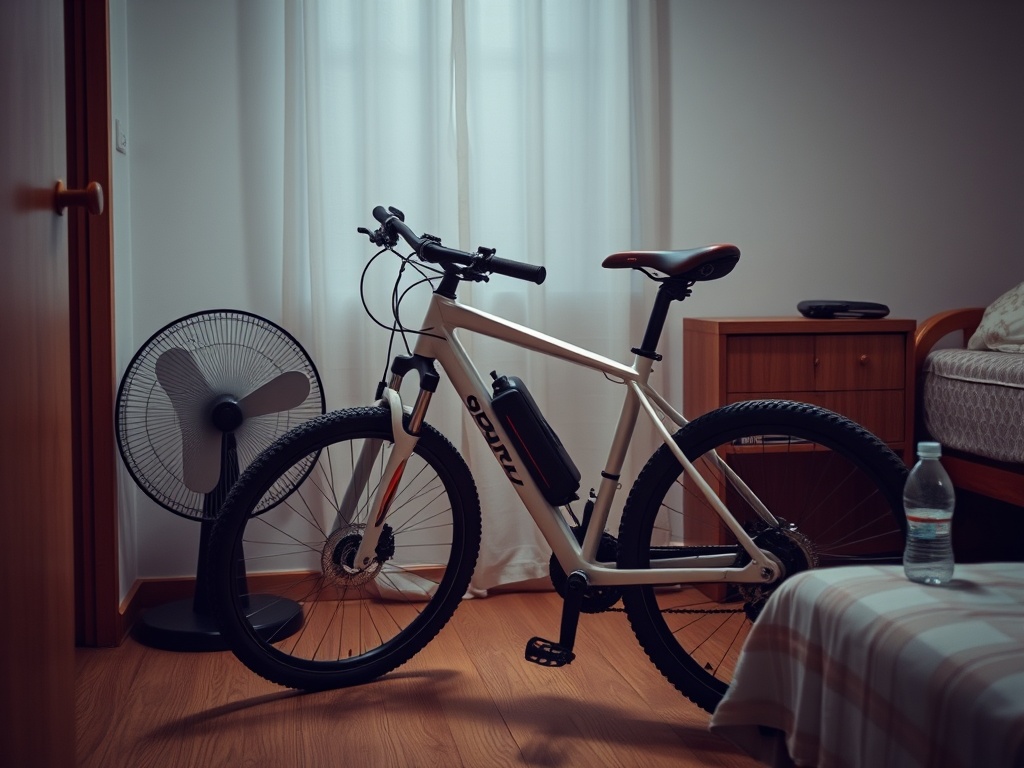
Riders who already own a well-fitted bike may prefer a trainer because the contact points feel familiar. Saddle height, reach, cleat position, and handlebar shape are already dialed in, which can make longer indoor sessions easier.
A smart bike can suit households where multiple riders train on the same machine. Quick adjustments, fewer drivetrain messes, and quieter operation may justify the higher price for frequent use.
What comfort issues appear over time
Indoor riding removes wind, road vibration, and natural coasting, so small fit issues can feel bigger than they do outside. A fan, towel, mat, and steady hydration plan are not luxuries; they protect comfort and consistency.
Noise also matters. Apartment riders should think about floor vibration, late-night sessions, and how resistance changes sound under effort. A quiet setup is more likely to be used regularly.
Maintenance differs too. Trainers may require tire, cassette, chain, or calibration attention depending on the model, while smart bikes reduce some bike-specific wear but add electronics that should be protected from sweat.
Making the purchase decision
Test your commitment before spending heavily. If indoor riding is seasonal, a reliable trainer may be enough. If structured workouts are central to fitness, a dedicated smart bike may remove barriers and save setup time.
Budget should include more than the machine. Subscription apps, fans, mats, risers, device stands, and replacement parts can change the real cost of the home cycling corner.
This extra check keeps the cycling advice connected to real decisions rather than abstract theory. Readers should compare the recommendation with their level, schedule, budget, available support, and risk tolerance. That practical filter helps beginners act carefully while giving experienced readers enough context to adapt the guidance. The point is not to add complexity; it is to make the next step easier to choose and easier to explain. Use the details that match the situation, then ignore anything that does not improve safety, clarity, preparation, or enjoyment. A measured approach also prevents one exciting idea from crowding out the habits that make steady progress possible. When the setting changes, review the assumptions again so the advice stays useful rather than automatic. That habit keeps decisions grounded, flexible, and easier to adjust when new information appears. For cycling topics, the strongest advice usually comes from matching the method to the person and the moment. Small constraints matter because time, equipment, confidence, travel, recovery, and skill level can change the right answer. A reader can use the same principle by asking what problem needs solving before choosing a tool or routine. If the answer is unclear, choose the safer and simpler option until better evidence or experience points another way. Review cycling context first before acting too quickly again later today safely together now consistently always.