Return-to-play protocols are step-by-step safety plans that help athletes move from injury recovery back to practice and competition. They should be guided by qualified healthcare advice, especially when concussion symptoms, pain, swelling, or strength deficits are involved.
TL;DR: Return-to-play is not one clearance note. It is a progression from symptom control to movement, sport skills, controlled practice, and full competition when the athlete responds safely.
Why protocols exist
Athletes often feel ready before the body is ready. Pain can fade while strength, balance, confidence, or reaction time remains below normal. A protocol reduces the chance of rushing the athlete back because the next step depends on response, not impatience.
For concussions, the CDC’s HEADS UP program says athletes should return to sports only with healthcare provider approval and a stepwise plan, as outlined in its returning-to-sports guidance.
The usual progression
Most return plans move from daily activities to light activity, then sport-specific movement, non-contact practice, full practice, and competition. The details vary by injury, sport, age, and medical advice. A sprained ankle, hamstring strain, shoulder issue, and concussion should not be treated as the same problem.
At each stage, the athlete should be watched for symptoms, swelling, loss of motion, strength gaps, hesitation, or altered mechanics. If problems return, the plan usually pauses or steps back.
| Stage | Main goal | Stop or step back if |
|---|---|---|
| Daily activity | Tolerate normal routine | Symptoms increase |
| Light exercise | Raise heart rate gently | Pain, dizziness, swelling |
| Sport movement | Reintroduce patterns | Mechanics break down |
| Controlled practice | Add speed and decisions | Hesitation or symptom return |
| Full competition | Return with confidence | New symptoms or performance red flags |
Common mistakes
The biggest mistake is using time alone. “Two weeks” does not automatically mean ready. The athlete must handle the required movement. Another mistake is returning to competition before restoring confidence in basic actions such as cutting, landing, throwing, or absorbing contact.
Parents and coaches should also avoid comparing athletes. Two players with similar injuries may progress differently because of age, training history, position, and previous injuries.
How coaches can support the process
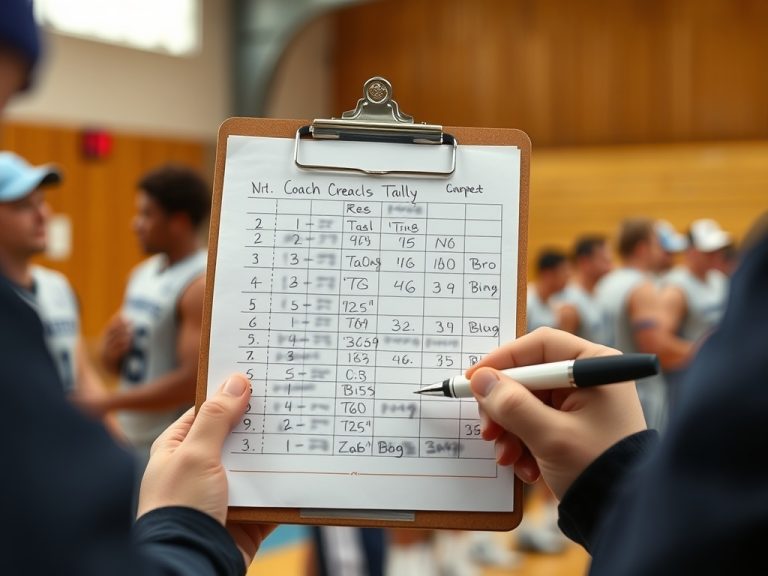
Coaches do not need to diagnose. They should communicate, document workload, respect medical guidance, and avoid pressure language. They can provide modified drills, reduced contact, extra rest, or position-specific progressions.
Helpful monitoring overlaps with what coaches can track during games. Movement quality also matters, so targeted balance and stability training may be part of the bridge back.
A safer closing principle
Return-to-play should protect the athlete’s next season, not only the next game. When symptoms, pain, or movement changes appear, the responsible choice is to pause and seek qualified guidance.
Use protocols as a shared language among athletes, parents, coaches, and medical professionals so decisions stay calmer and safer.
Return-to-Play Visual Direction
Why the final phase is often the hardest
The late stage of return-to-play can be tricky because the athlete may look normal in simple drills but struggle under fatigue, speed, contact, or decision pressure. That gap is why controlled progressions matter.
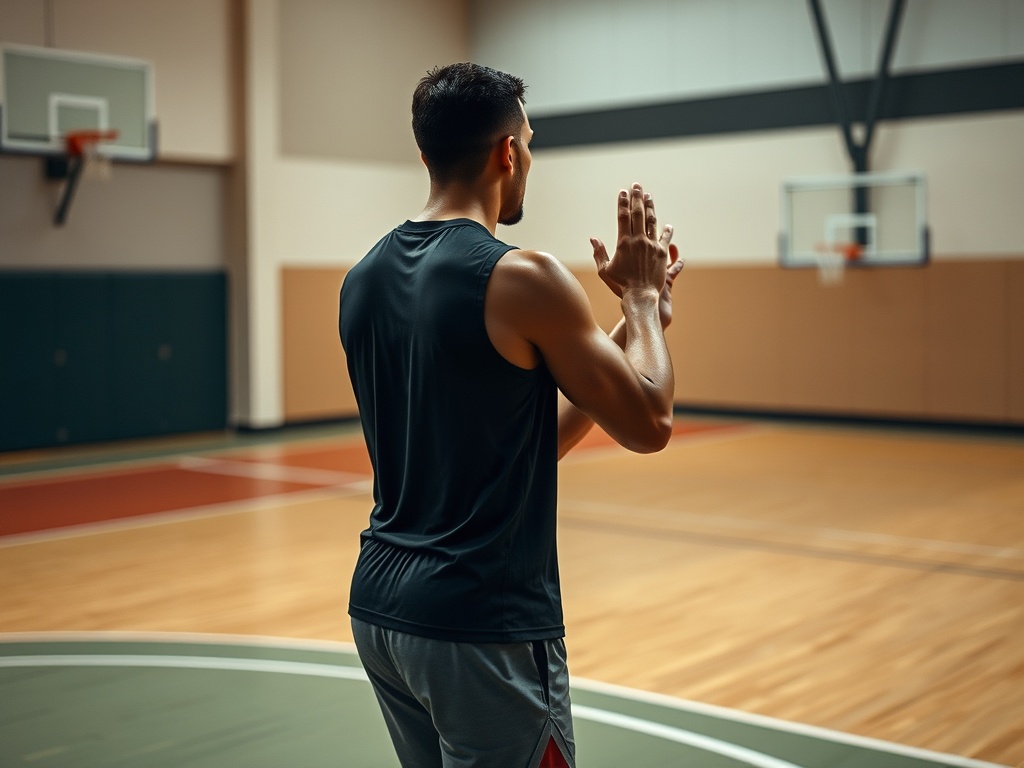
A sprinter may jog pain-free yet feel symptoms during acceleration. A basketball player may shoot comfortably but hesitate when landing in traffic. A soccer player may pass well but avoid sharp cutting.
These details are not signs of weakness. They are information that the body, brain, or confidence system still needs a more careful bridge back to competition.
Roles for athletes, parents, and coaches
Athletes should report symptoms honestly, even when they want to play. Hiding dizziness, swelling, sharp pain, or unusual fatigue can turn a manageable issue into a longer setback.
Parents can help by watching mood, sleep, soreness, and school concentration after activity. Coaches can help by offering modified workload and avoiding public pressure to return before the athlete is cleared.
The medical professional guides the plan, but the people around the athlete shape the daily environment. A calm environment makes honest communication more likely.
What a good return looks like
A strong return is gradual, documented, and boring in the best way. The athlete completes the step, responds well, rests appropriately, and then earns the next challenge.
The goal is not to prove toughness in one session. The goal is to rebuild enough capacity that normal practice and competition do not create a repeated setback.
This extra check keeps the recovery advice connected to real decisions rather than abstract theory. Readers should compare the recommendation with their level, schedule, budget, available support, and risk tolerance. That practical filter helps beginners act carefully while giving experienced readers enough context to adapt the guidance. The point is not to add complexity; it is to make the next step easier to choose and easier to explain. Use the details that match the situation, then ignore anything that does not improve safety, clarity, preparation, or enjoyment. A measured approach also prevents one exciting idea from crowding out the habits that make steady progress possible. When the setting changes, review the assumptions again so the advice stays useful rather than automatic. That habit keeps decisions grounded, flexible, and easier to adjust when new information appears. For recovery topics, the strongest advice usually comes from matching the method to the person and the moment. Small constraints matter because time, equipment, confidence, travel, recovery, and skill level can change the right answer. A reader can use the same principle by asking what problem needs solving before choosing a tool or routine. If the answer is unclear, choose the safer and simpler option until better evidence or experience points another way. This keeps the article useful as a guide, not a rigid rulebook that ignores real conditions. Clear notes also help people revisit the decision later and understand why a particular step made sense. The most reliable plan is specific enough to act on and flexible enough to change when circumstances shift. That balance is what separates helpful sports guidance from advice that sounds confident but fails in practice. Readers should treat examples as starting points, then adjust them to age, setting, goals, and available supervision. The final choice should support learning, enjoyment, health, and steady improvement instead of chasing novelty alone. Practical sports decisions become easier when the purpose is clear and the next step is realistic. Review recovery context first before acting too quickly again later today safely together now.