A basic pallet compost bin can be built by standing three or four sound wood pallets on edge, fastening the corners securely, and leaving enough gaps for airflow. The main priorities are a stable structure, untreated or clearly safe wood, a usable opening for turning compost, and a location that drains well without sending runoff toward buildings or neighboring property.
TL;DR: Choose intact pallets, avoid questionable chemically contaminated wood, level the site, fasten three pallets into a U-shape, add a removable or hinged front if desired, and keep the bin stable. A simple single-bay bin works for casual composting; two or three bays make turning and curing easier if you have enough material and space.
Choose pallets that are sound and appropriate for garden use
Do not start with the first discarded pallet you find. Reject pallets that are oily, stained by unknown liquids, moldy, heavily splintered, broken, or carrying a strong chemical odor. Look for clean wood and clear treatment marks when present. Heat-treated pallets are generally preferred for garden projects over wood with uncertain chemical exposure, but markings can vary by origin and reuse history.
If you cannot establish where a pallet has been or what it carried, use new exterior lumber or another known material instead. Compost comes into close contact with the bin, and finished compost may later be used around food crops.
The University of Minnesota Extension's home composting guidance describes several ventilated bin styles and recommends locating compost where it is practical to use and not disruptive to the yard. Its guidance also stresses airflow, moisture, and appropriate ingredients, which matter more than the exact appearance of the enclosure.
Pick a stable site with convenient access
Choose a level or gently draining patch of bare soil or another suitable surface. Avoid low spots that remain waterlogged. Keep enough working space in front of the bin for a wheelbarrow, garden fork, or shovel, and leave room behind it if you may need to inspect or repair the structure.
Do not place the bin directly against house siding, wooden fences, or other moisture-sensitive surfaces. Local fire, nuisance, pest, or setback rules may affect where compost can be located, especially in dense neighborhoods. Check local requirements if the bin will sit near a property line or structure.
If the compost area also needs visual separation from seating or neighbors, privacy screens for patios and decks can help you screen the view without crowding the bin against a wall or fence.
Assemble a stable pallet bin
Gather basic tools and fasteners
For a simple three-sided bin, you need three similar pallets. A fourth pallet can become a front gate. Useful tools include exterior-rated structural screws or bolts, washers, a drill or impact driver, a level, measuring tape, work gloves, eye protection, and a hand saw if minor trimming is required.
Heavy-duty exterior wire, metal corner brackets, or treated posts can add stability, but avoid flimsy ties that may fail as the pile presses outward. Compost is heavier than dry leaves alone, especially after rain. The enclosure should not rack, lean, or collapse when you turn material.
Wear gloves when handling reused pallets because splinters, protruding fasteners, and rough edges are common. Remove or hammer down exposed nails that could snag clothing or skin.
Build a simple U-shaped bin
Stand the back pallet vertically. Position one side pallet at a right angle and fasten the meeting edges in several places. Repeat with the second side pallet. Use a level and adjust the base until the structure stands square rather than leaning forward or outward.
Fasten through solid pallet framing members, not thin deck boards alone. If the ground is soft or the site is exposed to wind, anchor the corners to sturdy posts driven or set appropriately for the site. The goal is to stop movement without sealing the gaps that provide ventilation.
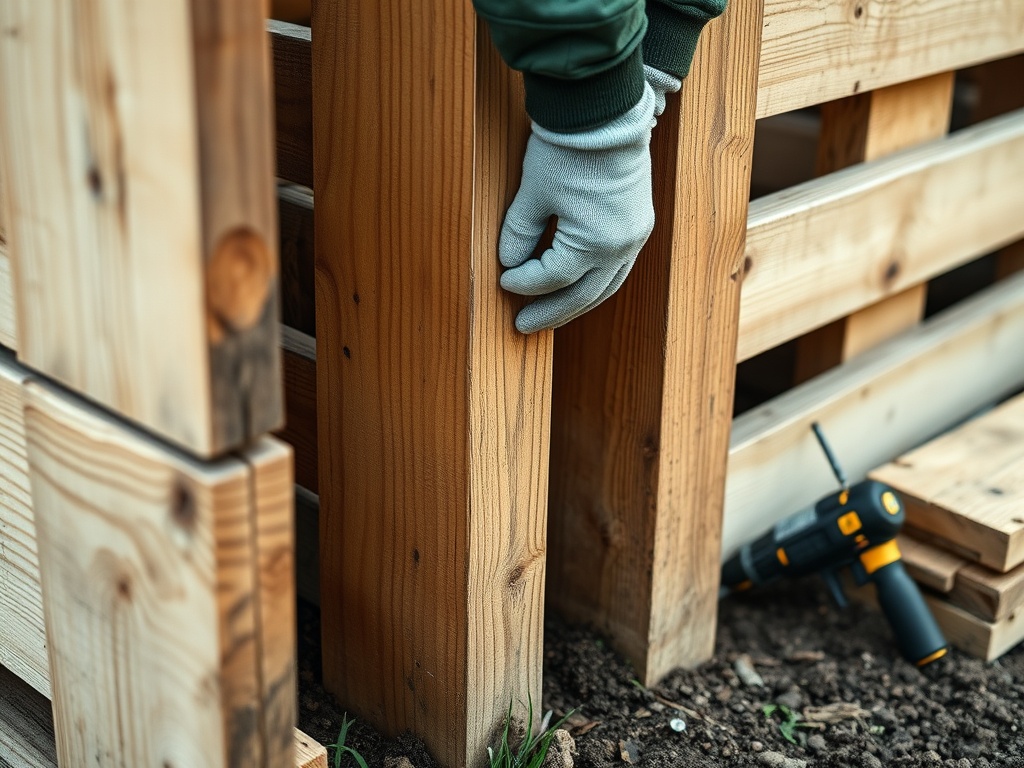
For a front closure, hinge a fourth pallet on one side or create a removable front panel. A full pallet can be heavy, so a lighter slatted gate is often easier to use. Leave enough access to get a fork into the pile and remove finished compost from the bottom.
If you prefer faster, more active composting, a three-bay layout can separate new materials, an actively turned pile, and curing compost. The same pallet construction can be repeated to create adjacent bays, provided the whole structure remains stable.
Protect the wood without contaminating the pile
Untreated wood will weather and eventually rot, particularly where it contacts damp soil and compost. That is acceptable for a low-cost temporary structure. If you want to protect the exterior, use a finish specifically suitable for the intended garden context and follow the manufacturer's instructions. Avoid applying unknown paints, stains, preservatives, or salvaged coatings to interior surfaces that contact compost.
A removable liner is usually unnecessary because pallet gaps are useful for airflow. Fine mesh can help contain small material, but very fine fabric can reduce ventilation. In rodent-prone areas, hardware cloth may be useful around vulnerable openings, but the design should still allow drainage and airflow.
EPA's home composting guide recommends keeping food scraps buried and covered with browns and notes that well-maintained bins should minimize pest problems. It also advises against adding meat, dairy, greasy foods, and pet waste to a standard backyard pile.
Load the bin so the compost actually works
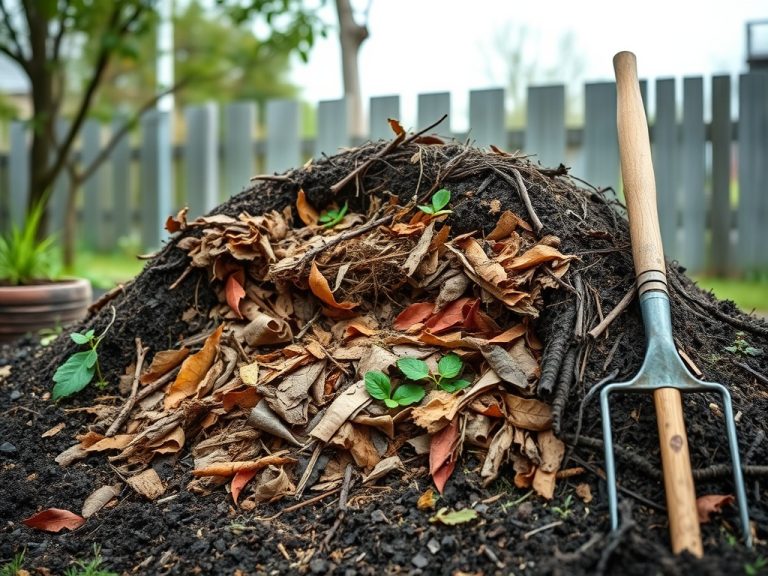
A well-built bin cannot compensate for a badly balanced pile. Start with coarse browns near the bottom to create air space. Add greens and browns in mixed layers, keeping a supply of dry leaves or shredded cardboard nearby to cover kitchen scraps.
Keep the pile damp like a wrung-out sponge rather than soaked. Turn it when it compacts, develops unpleasant odors, or needs more mixing. How to make compost faster without bad smells covers the balance of carbon, nitrogen, moisture, and oxygen in more detail.
Do not pack the pile tightly against the slats. Material naturally settles, but some pore space is needed for air exchange. If the pile is dripping wet, add dry browns and mix it rather than drilling more holes into an already open pallet wall.
Inspect the bin as the wood ages
Check the fasteners and lower boards a few times each year. Replace rotted slats before the wall loses strength. Tighten loose screws, sand or remove new splinters around the access area, and confirm that the bin remains upright.
When a pallet reaches the end of its useful life, dismantle it carefully. Reuse sound pieces if appropriate and dispose of questionable material according to local waste rules. Do not burn painted, treated, or unknown salvaged wood.
Keep the project simple and serviceable
A pallet bin succeeds when it makes compost easier to contain, turn, and remove. Build for stability first, airflow second, and appearance third. If the available pallets are questionable or the site is unsuitable, a known-material wood-and-wire bin may be the safer long-term choice.
Home and garden information is for educational purposes only and does not constitute professional structural, carpentry, horticultural, pest-control, environmental, electrical, or legal advice. Follow local rules and product instructions, and use appropriate personal protective equipment for cutting, drilling, and handling reclaimed wood.[/