The most reliable way to judge soil moisture is to check it below the surface, feel how it holds together, and consider the soil’s texture rather than judging only by color. Soil that stays glossy, sticky, waterlogged, or sour-smelling may be too wet, while soil that is powdery, hard, cracked, or unable to form even a weak ball may be too dry.
TL;DR: Dig into the active root zone, squeeze a small sample, and compare the result with your soil texture. Moist soil should generally hold together without dripping. If it smears heavily or releases water, wait before irrigating; if it will not hold together and roots are dry, water deeply enough to moisten the root zone, then recheck.
Check below the surface before making a watering decision
A dry-looking crust can sit above moist soil, and a recently watered surface can hide dry soil below. That is why watering decisions should be based on the root zone rather than the top few millimeters. Use a trowel, soil probe, or narrow spade to inspect several inches down near the plants you are managing.
The University of Minnesota Extension describes a feel-and-appearance method for estimating soil moisture that evaluates samples from the root zone and accounts for soil texture. Coarse sandy soil and fine clay-rich soil behave differently at the same moisture level, so there is no single squeeze-test result that fits every garden.
Take samples from more than one location. Irrigation systems rarely distribute water perfectly, tree roots can pull moisture from nearby beds, and low spots can stay wet after the rest of the garden dries. A single handful may not represent the whole area.
Learn the basic feel of your soil texture
Sandy soils usually feel gritty and drain quickly. When they are drying, they lose their ability to form a stable ball sooner than loam or clay. Loamy soils tend to form a cohesive but friable ball when adequately moist. Clay-rich soils can remain moldable and ribbon-like even when they contain less plant-available water than their appearance suggests.
That means “forms a ball” is useful only when you know what type of soil you are handling. Compare your sample with nearby soil that you know is properly moist after a normal irrigation or rainfall event. Over time, you will develop a site-specific reference that is more useful than a generic color chart.
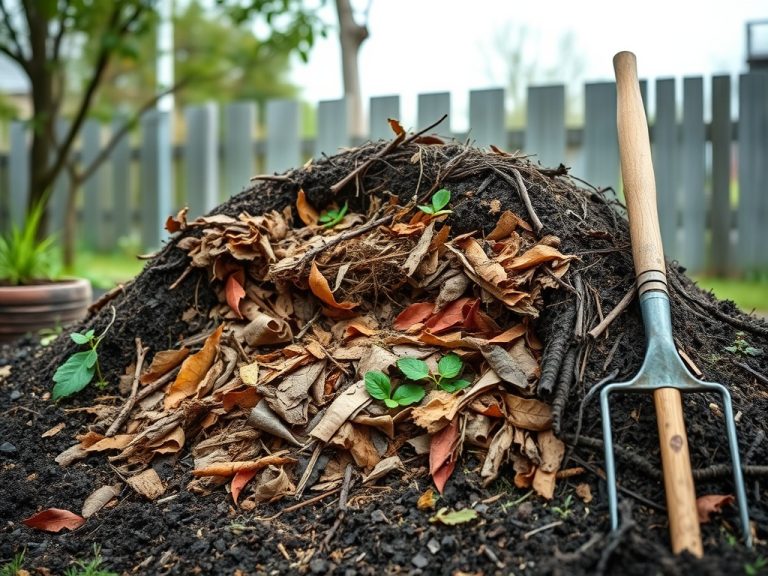
Organic matter also changes feel and water behavior. Finished compost can increase water-holding capacity in sandy soil and improve structure in heavier soil. If you make your own compost, how to make compost faster without bad smells explains how to produce a stable amendment without turning the pile into a wet anaerobic mass.
Read the moisture symptoms
Signs that soil is too wet
Soil may be too wet for routine gardening work if it feels slick, smears easily, clings heavily to tools, or releases free water when squeezed. Puddling, a persistent swampy odor, algae on the surface, and water sitting in planting holes are stronger warning signs. Plants in chronically saturated soil can show yellowing, slow growth, root decline, or wilting even though water is abundant because oxygen in the root zone is limited.
Do not cultivate or walk repeatedly on saturated beds. Working wet soil can compress pore spaces and create clods that are difficult to correct later, especially in clay-rich ground. Wait until the soil drains enough to crumble rather than smear.
If excess moisture appears after every rainfall or irrigation, look beyond watering frequency. Compacted subsoil, a low-lying grade, roof runoff, a blocked drain, dense clay, or an irrigation leak may be contributing. Persistent standing water around a foundation or structure deserves particular care because drainage solutions can involve grading, utilities, and local code requirements.
Signs that soil is too dry
Dry soil often looks lighter in color, but appearance alone is not enough. In coarse soil, a dry sample may fall apart immediately and flow between your fingers. In medium soil it may form only a weak ball or crumble with little pressure. Very dry clay can become hard, cracked, or difficult to penetrate with a trowel.
Plants can add clues. Leaves may wilt during the hottest part of the day even when moisture is adequate, so check again in the cooler morning. Persistent morning wilting, curled leaves, dry root-zone soil, and soil pulling away from container edges are stronger signs that water is needed.
Container plants can dry quickly because pots hold limited soil. Check the mix directly, learn the pot's wet and dry weight, or use a moisture meter only as a secondary tool because inexpensive meters vary in accuracy.
Use a repeatable squeeze test
Take a sample from the root zone rather than the top surface. Remove stones and large organic debris, then squeeze the soil firmly in your palm. Open your hand and gently press the ball with a finger.
If coarse soil will not hold together at all and feels dry, irrigation may be appropriate. If loam forms a weak to moderate ball that breaks apart when touched, it is often in a workable moisture range. If fine-textured soil forms a glossy ribbon, smears heavily, or leaves obvious free moisture on your hand, it is likely too wet for cultivation and may not need irrigation.
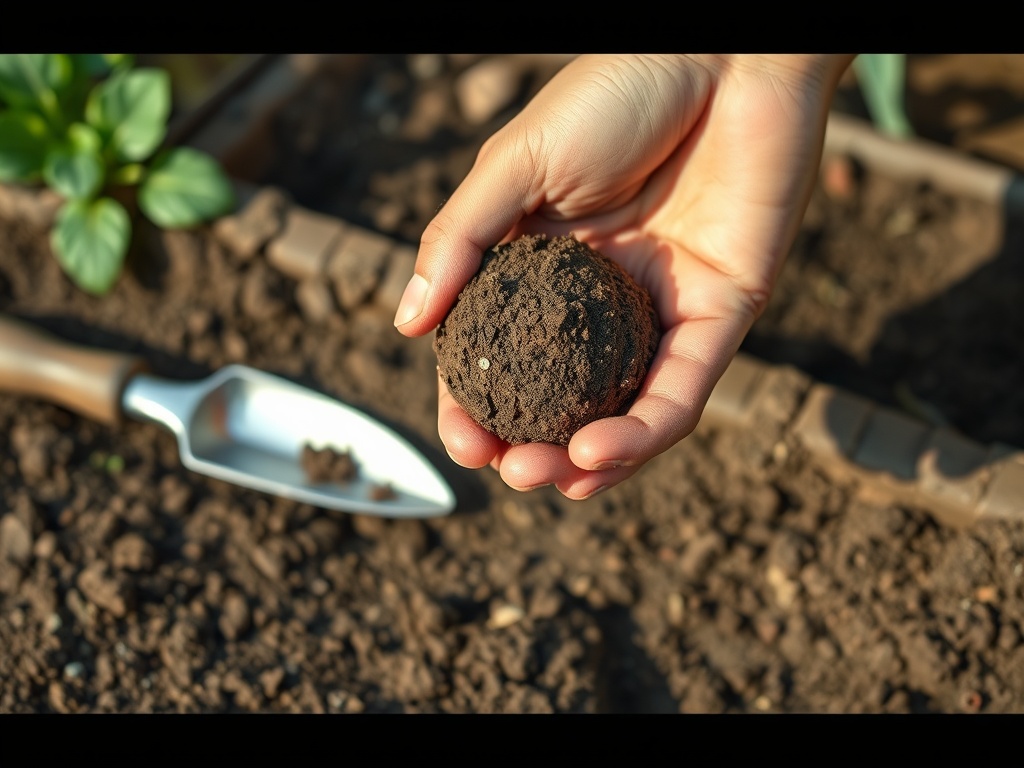
Repeat the test at another depth and location. Roots do not use only the surface layer, and a garden bed can be wet on one side and dry on the other. For irrigation decisions, the pattern across the active root zone matters more than a single sample.
Water according to the root zone rather than the clock
Weather, soil texture, mulch, plant size, and season change how quickly a bed dries. Water when the root zone is drying, moisten the active root depth, and allow appropriate drainage before watering again.
Watering depth and interval depend on the plant and soil. Repeated shallow watering may keep roots near the surface, while excessive deep watering can waste water. New transplants usually need closer attention because their roots occupy a smaller volume.
Mulch can slow evaporation, but do not use it to hide saturated soil. Pull mulch back temporarily if you need to inspect the soil surface or diagnose a drainage problem. Organic mulch should not be piled against stems, trunks, or siding.
Correct chronic moisture problems at the cause
If a bed stays too wet, first reduce unnecessary irrigation and repair leaks. Then observe where water comes from and where it can drain. Sometimes a small grading adjustment, downspout extension, or soil-structure improvement solves the issue; other situations require a drainage professional.
If soil repeatedly becomes bone-dry and hard, consider mulch, organic matter, irrigation coverage, wind exposure, and plant selection. Native or climate-adapted plants may tolerate local moisture cycles better than species that need constant supplemental water.
Where invasive plants are being removed, avoid leaving large areas of bare disturbed soil. The guidance in how to remove invasive weeds without damaging soil can help you preserve structure and reduce opportunities for new weeds to colonize.
Make soil checks part of normal garden maintenance
The goal is to recognize when the root zone moves outside a healthy range for your plants. Simple checks below the surface are usually more useful than appearance alone.
Home and garden information is for educational purposes only and does not constitute professional horticultural, irrigation, drainage, structural, electrical, pest-control, or legal advice. Seek local professional guidance for persistent drainage, foundation, or code-related concerns.[/