A good sports road trip starts with the fixture, but it succeeds because of logistics: tickets, travel time, lodging, parking, rest, and backup plans. Rivalry games and marquee matchups add energy, but they also raise prices and crowd pressure.
TL;DR: Pick the game first, then build the route around timing, ticket reliability, lodging distance, venue rules, and recovery time. Leave room for delays instead of packing every hour.
Choose the game with the whole weekend in mind
A rivalry game may be the highlight, but the trip should fit your budget and schedule. Check whether kickoff time is fixed, whether television windows could affect timing, and whether hotels near the venue have raised prices.
Understanding the competition structure can help too. A divisional rivalry may carry different stakes than a non-conference showcase, which is why a basic grasp of divisions, conferences, and leagues makes trip planning more meaningful.
Plan tickets before travel extras
Ticket prices can move quickly for marquee games. Use official team, league, venue, or verified resale channels when possible. Confirm seat location, delivery timing, refund rules, and mobile entry requirements before booking nonrefundable travel.
Avoid building an entire trip around a screenshot, verbal promise, or deal that looks too good to verify. The ticket is the anchor; everything else depends on it.
| Planning area | Best practice | Common mistake |
|---|---|---|
| Tickets | Verify source and delivery before booking travel | Assuming a cheap listing is safe |
| Lodging | Balance price with postgame convenience | Staying too far after a late game |
| Schedule | Leave buffer for traffic and entry lines | Planning every hour tightly |
| Venue rules | Check bags, transit, and mobile entry | Learning policies at the gate |
Build a realistic route
Map drive time with breaks, meals, weather, parking, and postgame traffic. For a night game, decide whether to stay close to the venue or drive a short distance after crowds thin. If children or older relatives are traveling, convenience may matter more than saving a small amount on lodging.
A strong itinerary includes a low-effort activity before the game and a flexible morning after. That prevents the trip from becoming a checklist instead of an experience.
Venue etiquette and comfort
Read bag rules, entry policies, prohibited items, and transit guidance before leaving. Pack layers, a portable charger, water where allowed, and a simple plan for meeting if phones fail. Rivalries are fun when fans keep the atmosphere respectful.
Fans who create content during trips should also think ahead. A road trip can support a creator’s calendar, but monetizing clips or affiliate recommendations requires transparency, as discussed in sports creator monetization.
A trip plan that feels smooth
The best road trip has one main event, one backup activity, and enough time to enjoy both. Put the game at the center, then protect the hours around it from avoidable stress.
Before you leave, save tickets, directions, parking details, hotel confirmation, and venue rules offline. That small step can rescue the day when cell service is crowded near the stadium.
Sports Travel Visual Direction
Budgeting for the hidden costs
Rivalry weekends can cost more than the ticket price suggests. Parking, rideshare surges, hotel minimum stays, food near the venue, tolls, merchandise, and last-minute schedule changes can stretch the budget quickly.
A useful plan separates fixed costs from flexible costs. Tickets, lodging, and fuel may be firm, while meals, side activities, and souvenirs can be adjusted if prices rise.
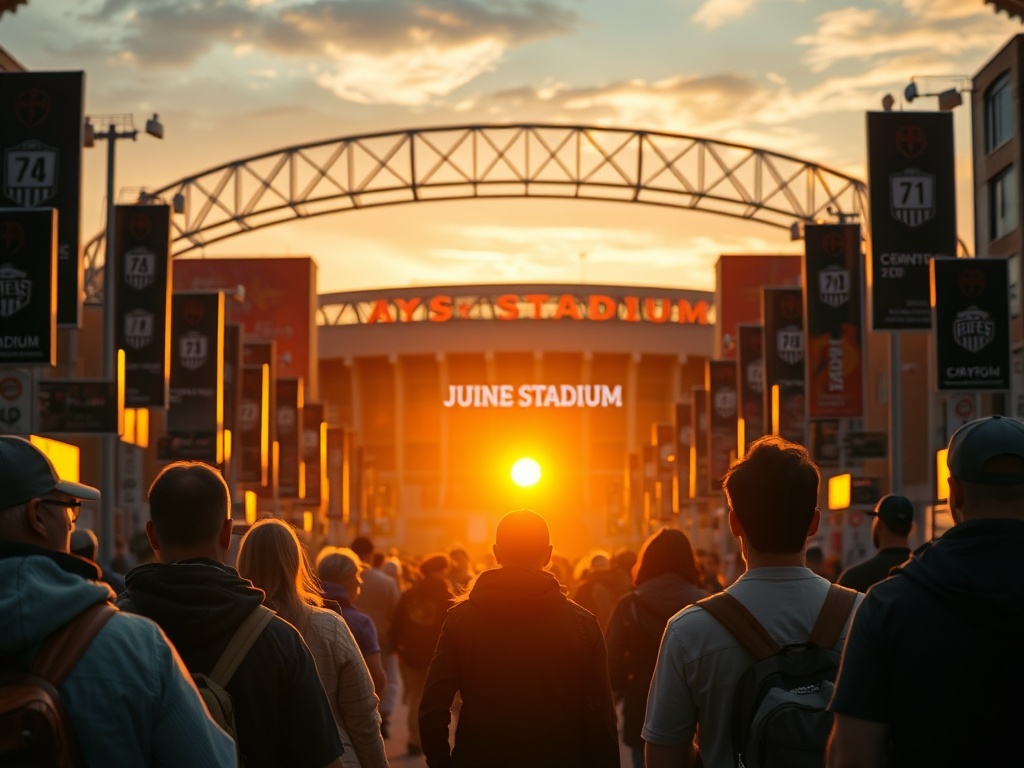
Build a small delay fund into the plan. Weather, overtime, traffic, or a late broadcast window can add expenses that feel annoying only because they were not expected.
Choosing the right travel group
A trip with die-hard fans is different from a family weekend or a first-time stadium visit. Match the pace to the group, not to the most intense person in the car.
For children, older adults, or casual fans, comfort may matter as much as the matchup. Shorter walks, earlier meals, clear bathroom plans, and flexible sightseeing can keep the trip enjoyable.
For serious fans, the pregame atmosphere may be part of the experience. Still, set meeting points and behavior expectations so the rivalry energy stays fun rather than stressful.
After the final whistle
Postgame traffic is usually the most underestimated part of the trip. Decide in advance whether to leave early, wait nearby, use transit, or walk farther to a calmer pickup point.
The ride home is also when fatigue hits. If the game ends late, a nearby hotel or planned rest stop can be safer than trying to save money with an exhausted drive.
This extra check keeps the travel advice connected to real decisions rather than abstract theory. Readers should compare the recommendation with their level, schedule, budget, available support, and risk tolerance. That practical filter helps beginners act carefully while giving experienced readers enough context to adapt the guidance. The point is not to add complexity; it is to make the next step easier to choose and easier to explain. Use the details that match the situation, then ignore anything that does not improve safety, clarity, preparation, or enjoyment. A measured approach also prevents one exciting idea from crowding out the habits that make steady progress possible. When the setting changes, review the assumptions again so the advice stays useful rather than automatic. That habit keeps decisions grounded, flexible, and easier to adjust when new information appears. For travel topics, the strongest advice usually comes from matching the method to the person and the moment. Small constraints matter because time, equipment, confidence, travel, recovery, and skill level can change the right answer. A reader can use the same principle by asking what problem needs solving before choosing a tool or routine. If the answer is unclear, choose the safer and simpler option until better evidence or experience points another way. This keeps the article useful as a guide, not a rigid rulebook that ignores real conditions. Clear notes also help people revisit the decision later and understand why a particular step made sense. The most reliable plan is specific enough to act on and flexible enough to change when circumstances shift. That balance is what separates helpful sports guidance from advice that sounds confident but fails in practice. Review travel context first before acting too quickly again later today safely together now consistently always too.