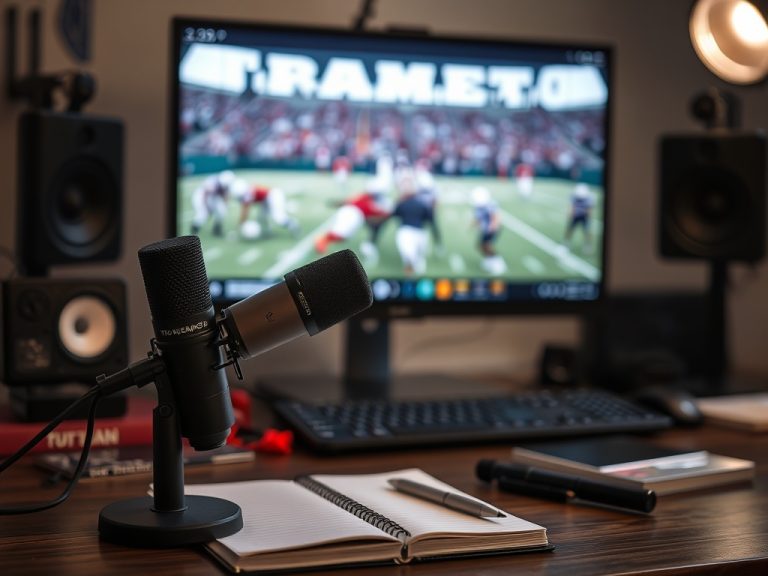
NIL, scholarships, and exposure events are connected in youth and college sports, but they are not the same decision. Families should separate earning opportunities, education costs, and recruiting visibility before spending time or money.
TL;DR: NIL is about name, image, and likeness rights; scholarships are financial aid decisions; exposure events are recruiting and evaluation opportunities. Each can help, but none guarantees the others.
Separate the three buckets
NIL refers to ways athletes may earn from their name, image, and likeness. Scholarships relate to school funding and roster decisions. Exposure events are camps, showcases, tournaments, or combines where athletes hope to be evaluated.
The NCAA explains NIL basics in its NIL overview, while eligibility questions should be checked through the NCAA Eligibility Center. Those official resources are better starting points than social posts or sales claims from event promoters.
What actually matters for families
The first priority is fit: academic fit, athletic level, travel cost, coaching environment, and the athlete’s health. A crowded showcase with the wrong schools in attendance may be less valuable than a smaller event where the athlete matches the level.
For scholarships, families should ask about roster needs, academic requirements, renewal terms, and total cost of attendance. For NIL, they should ask whether the athlete has a genuine audience, a clear compliance path, and the maturity to manage public content.
| Area | What it can do | What it cannot promise |
|---|---|---|
| NIL | Create earning opportunities from audience or reputation | Guarantee recruiting interest |
| Scholarship | Reduce education costs when offered and renewed | Cover every expense automatically |
| Exposure event | Put an athlete in front of evaluators | Replace long-term development |
| Highlight video | Show relevant game clips efficiently | Prove character, academics, or fit alone |
Red flags around exposure events
Be cautious when an event promises guaranteed offers, vague scout access, or pressure-based discounts. Serious recruiting still depends on performance, academics, communication, video, timing, and program need. One event rarely changes everything by itself.
Parents should also consider load. If showcases replace development, rest, or school priorities, the athlete may pay a hidden cost. Training quality and recovery matter, which connects this topic to balance and stability training and careful game monitoring by coaches.
How athletes can prepare intelligently
Athletes should build a short profile, keep highlight clips current, track academic information, and contact programs that fit their level. They should also practice speaking clearly about goals, schedule, and coachability.
Coaches can help by providing honest evaluations. A simple in-game tracking sheet, like the one described in what to track during games, can give families better evidence than vague praise.
A balanced next move
Treat NIL, scholarships, and exposure as tools, not trophies. The strongest plan usually combines steady development, realistic school targeting, transparent family budgeting, and healthy communication with coaches.
Before registering for the next event, write down the specific reason for attending and how success will be measured after it ends.
NIL Article Visual Direction
Separating visibility from value
Families often hear NIL, scholarship, and exposure language in the same recruiting conversation, but each one solves a different problem. Visibility may help an athlete be seen, while value depends on fit, ability, academics, timing, and roster need.
An event can be worthwhile if the right level of programs attend and the athlete is prepared to perform. It is less useful when the athlete attends only because the marketing sounds urgent.
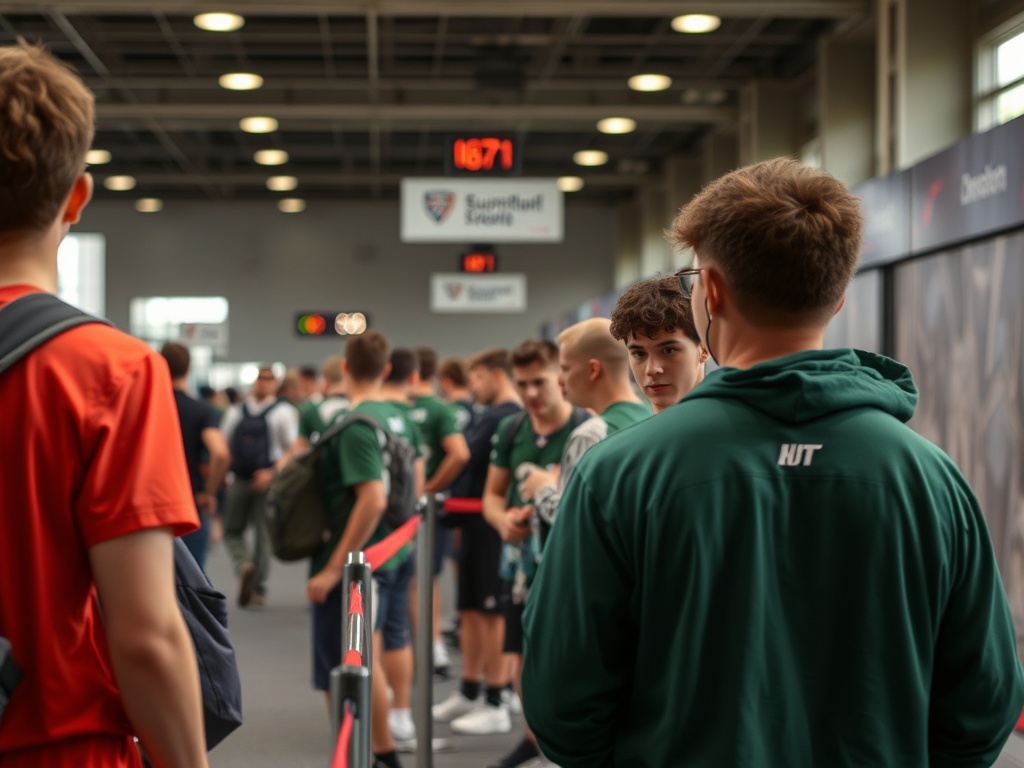
NIL should be treated like a public-facing responsibility. A small partnership can teach communication, taxes, content planning, and professionalism, but it should not distract from school, training, or team standards.
Questions families should ask first
Before paying for a showcase, ask which coaches are expected, what level they represent, how athletes are evaluated, and what follow-up is realistic. Clear answers are a sign of a better event.
Before comparing scholarships, ask what the offer covers, whether it renews automatically, what academic conditions apply, and what costs remain. The largest headline number is not always the best financial fit.
Before chasing NIL, ask whether the athlete has a genuine audience, a clear content boundary, and adult help with agreements. Visibility without guidance can create stress rather than opportunity.
What still matters most
Coaches still recruit athletes who can help their program, handle academics, communicate maturely, and improve over time. No event badge or social post replaces that foundation.
The smartest plan combines development, school research, honest evaluation, and selective exposure. Families should spend money where the purpose is clear and the expected benefit can be explained calmly.
This extra check keeps the recruiting advice connected to real decisions rather than abstract theory. Readers should compare the recommendation with their level, schedule, budget, available support, and risk tolerance. That practical filter helps beginners act carefully while giving experienced readers enough context to adapt the guidance. The point is not to add complexity; it is to make the next step easier to choose and easier to explain. Use the details that match the situation, then ignore anything that does not improve safety, clarity, preparation, or enjoyment. A measured approach also prevents one exciting idea from crowding out the habits that make steady progress possible. When the setting changes, review the assumptions again so the advice stays useful rather than automatic. That habit keeps decisions grounded, flexible, and easier to adjust when new information appears. For recruiting topics, the strongest advice usually comes from matching the method to the person and the moment. Small constraints matter because time, equipment, confidence, travel, recovery, and skill level can change the right answer. A reader can use the same principle by asking what problem needs solving before choosing a tool or routine. If the answer is unclear, choose the safer and simpler option until better evidence or experience points another way. This keeps the article useful as a guide, not a rigid rulebook that ignores real conditions. Clear notes also help people revisit the decision later and understand why a particular step made sense. The most reliable plan is specific enough to act on and flexible enough to change when circumstances shift. That balance is what separates helpful sports guidance from advice that sounds confident but fails in practice. Readers should treat examples as starting points, then adjust them to age, setting, goals, and available supervision. Review recruiting context first before acting too quickly again.