Compost breaks down faster and smells better when the pile has enough carbon-rich “browns,” nitrogen-rich “greens,” moisture comparable to a wrung-out sponge, and open pore space for oxygen. Most bad odors are a sign that the pile is too wet, too compacted, overloaded with food scraps, or missing enough dry carbon material.
TL;DR: Chop bulky ingredients, mix roughly two to three volumes of browns for each volume of greens, bury food scraps, keep the pile damp rather than soggy, and turn it when it becomes compacted or smelly. Skip meat, dairy, fats, pet waste, and other materials likely to cause odor, pests, or safety problems in a typical backyard pile.
Build the pile around air, moisture, carbon, and nitrogen
Fast composting is less about buying an activator and more about giving decomposer organisms workable conditions. The U.S. Environmental Protection Agency’s home composting guidance emphasizes four basics: carbon-rich materials, nitrogen-rich materials, water, and oxygen. A pile can slow down if any one of those is badly out of balance.
Browns include dry leaves, small twigs, shredded uncoated paper, and similar dry carbon materials. Greens include fruit and vegetable scraps, coffee grounds, fresh plant trimmings, and grass clippings. A practical starting point is two to three parts browns by volume for each part greens, then adjust according to how the pile behaves.
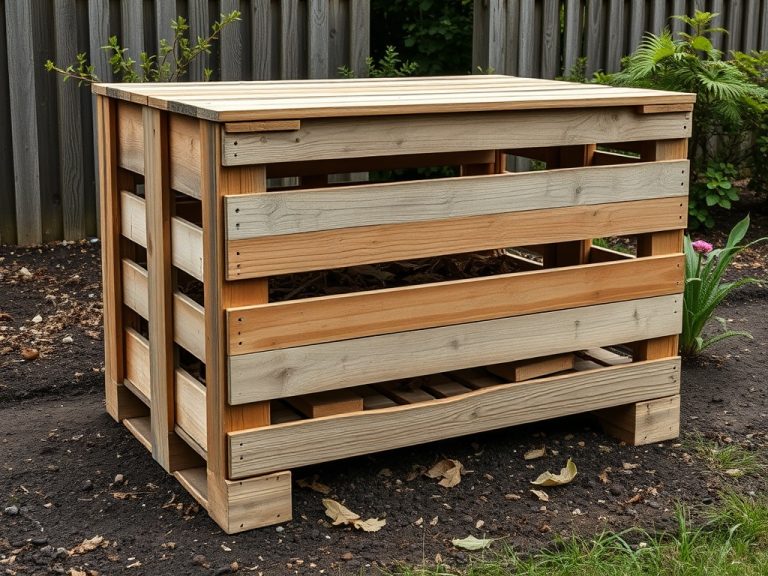
The University of Minnesota Extension also recommends containing backyard compost in a structure large enough to hold a useful mass while still allowing air circulation. Its home-garden composting guide describes several bin types and notes that location, pile size, aeration, and ingredient choice all influence decomposition.
If yard waste includes plants that may be invasive, review how to remove invasive weeds without damaging soil before adding them. Seeds, rhizomes, and other propagules may need separate disposal rather than an ordinary backyard pile.
Prepare materials so microbes can work efficiently
Smaller pieces expose more surface area, so chopping coarse stems, shredding leaves, and breaking cardboard into manageable pieces can speed decomposition. The goal is not to pulverize everything. A pile made entirely of tiny wet particles can compact and lose oxygen. Keep some coarse browns mixed through the mass to preserve air pockets.
Set aside a bucket or bag of dry leaves, shredded cardboard, or another carbon-rich material near the bin. Every time you add a container of kitchen scraps, cover them with a generous layer of browns. That simple habit manages moisture, limits exposed food, and reduces the conditions that attract flies or produce sour odors.
Avoid adding a thick mat of fresh grass clippings. Grass is nitrogen-rich and holds a great deal of moisture, so a dense layer can turn slimy and anaerobic. Mix clippings with dry leaves or other coarse browns before they settle into a compact layer.
Manage the active compost pile
Keep moisture in the productive middle range
A compost pile should feel damp throughout the active zone but should not drip when squeezed. EPA compares the desired consistency to a wrung-out sponge. If it feels dusty, add water gradually while mixing. If it is soggy or swampy-smelling, add dry browns and turn the pile to reopen air spaces.
Rainfall and climate change the maintenance routine. An uncovered pile in a wet climate may need more dry material or a breathable cover, while a pile in a hot dry climate may need periodic watering. Do not apply a universal watering schedule. Check the material itself.
For a simple hands-on method of judging garden moisture, how to tell if soil is too wet or too dry explains why texture and feel are more useful than assuming every soil or organic mix behaves the same way.
Turn the pile when airflow drops
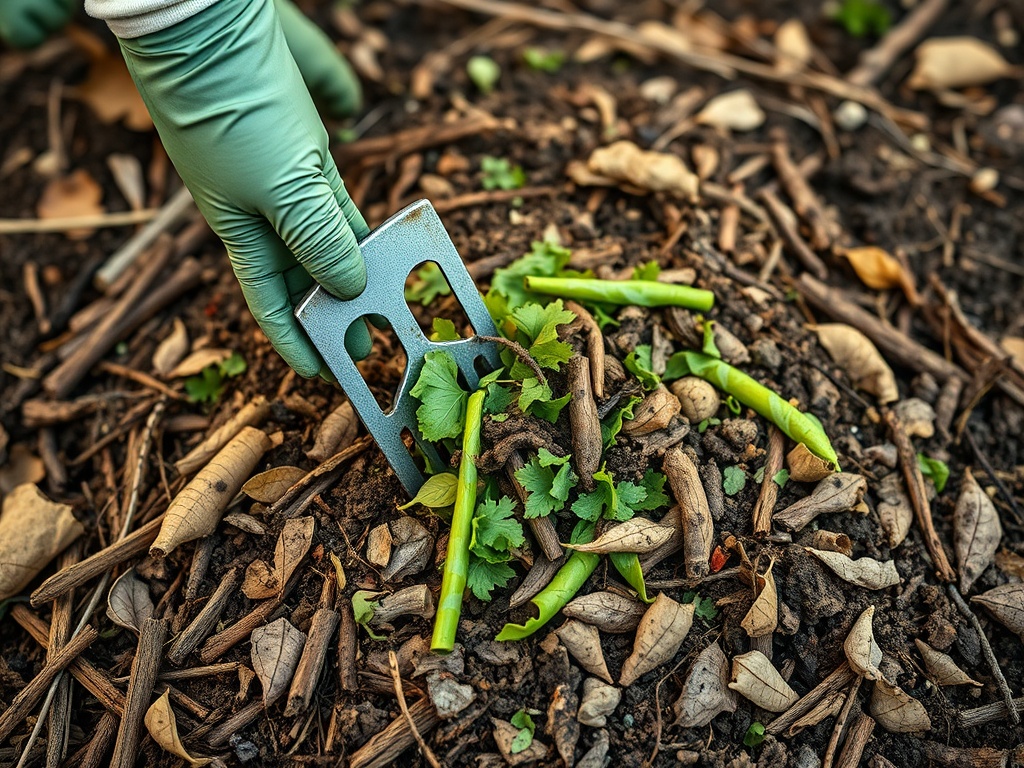
Turning mixes fresh material into the active center and reintroduces oxygen. You do not need to turn on a rigid calendar. Use the pile’s condition as the trigger. If it has settled heavily, smells sour, or contains wet pockets surrounded by dry material, mix it thoroughly.
A garden fork works well for open piles and bins with removable fronts. In multi-bin systems, moving material between chambers aerates and blends it. Bring outer material toward the center and break apart wet clumps.
Faster composting usually means more active management. If you prefer a slower pile, less frequent turning can still produce finished compost as long as the ingredients and moisture remain reasonable. “Fast” is a management choice, not a quality requirement.
Fix odors by diagnosing the smell
A rotten or sewage-like smell usually points to low oxygen and excess moisture. Turn the pile, add coarse browns, and stop adding wet scraps until conditions improve. A sharp ammonia smell often suggests more nitrogen-rich material than the available carbon can balance; mix in dry leaves, shredded cardboard, or another brown material.
If food scraps are visible on the surface, bury them in the active pile and cover them with several inches of browns. EPA recommends keeping food covered and avoiding meat, dairy, and greasy foods in standard backyard compost because these materials can contribute to odors and pests.
Do not add dog or cat feces to ordinary compost intended for home garden use. EPA advises against pet waste in a typical backyard pile because it may contain pathogens. Keep it out even if the pile gets hot at times; most home systems do not maintain independently verified pathogen-reduction conditions throughout the entire mass.
Understand what actually makes a pile faster
Heat can be a sign of active decomposition, but it is not the only measure of progress. A small pile may never become dramatically hot yet can still break down steadily. Large pieces, woody material, cold weather, drought, and infrequent mixing all slow the process. Fresh greens, adequate moisture, and a reasonable pile volume can support more rapid activity.
Be skeptical of exact “compost in X days” promises. Speed varies with materials, particle size, climate, pile volume, oxygen, moisture, and turning. Judge maturity by the material rather than a countdown.
Finished compost should be dark, crumbly, earthy-smelling, and difficult to identify by its original ingredients. If recognizable food scraps remain, give the pile more time. If the material smells unpleasant, do not assume it is ready just because it has been sitting for months.
Maintain a routine that stays clean and manageable
A low-odor compost system is easier to maintain when you pair every addition of wet scraps with dry carbon, keep a lid or cover appropriate to the bin, and turn only when the pile shows signs that it needs air. Store browns nearby so the corrective material is always available.
For households with limited space, a smaller enclosed bin or vermicomposting system may fit better than an open heap. For larger yards, a multi-bin setup can separate fresh material, active material, and curing compost. Choose a system you can actually maintain rather than the one that looks most productive on paper.
Turn waste into usable soil amendment
The quickest route to better compost is consistent balance: enough browns, enough greens, enough moisture, and enough air. When the pile smells bad, treat the odor as diagnostic information and correct the condition instead of masking it. With a simple routine, composting can stay tidy, useful, and compatible with a normal backyard.
Home and garden information is provided for educational purposes only and does not replace professional horticultural, pest-control, environmental, structural, electrical, or legal advice. Follow local rules for yard waste and composting where applicable.[/