How Retainers Work After Braces or Aligners
Retainers prevent teeth from shifting back toward their original positions after orthodontic treatment—a natural process called relapse. Wearing them consistently is the only way to maintain the results achieved through braces or aligners.
Key Takeaways
- Teeth naturally tend to shift after braces or aligners are removed—retainers prevent this relapse.
- Most patients are instructed to wear retainers full-time initially, then transition to nightly wear.
- Fixed retainers (bonded to the back of teeth) provide continuous retention without requiring patient compliance.
- Removable retainers last 1–5+ years depending on the material—replacement is a recurring cost to plan for.
- Skipping retainer wear, even for short periods, can require re-treatment.
Why Teeth Shift After Treatment
Orthodontic treatment moves teeth through the jawbone by applying controlled pressure. When that pressure is removed, the periodontal ligament—the fibrous tissue connecting teeth to the bone—has a memory that can pull teeth back toward where they were. This tendency is strongest in the months immediately after treatment, but the inclination to shift continues indefinitely in most patients, particularly for the lower front teeth.
Retainers hold teeth in their new positions while the surrounding bone and soft tissue stabilize. This stabilization is partially, but never completely, permanent—which is why retainer wear is a long-term commitment.
Types of Retainers
Removable Hawley Retainers
The classic design: an acrylic plate that fits the roof of the mouth (or the lower arch), with a wire that runs across the front teeth. Durable and adjustable, but thicker and more noticeable than other options. Most patients wear these at night.
Clear Removable Retainers (Essix-Type)
Thin, clear thermoplastic trays that fit over the teeth. Less visible and often more comfortable than Hawley retainers, but not adjustable and may need to be replaced more frequently—typically every 1–2 years with consistent nightly wear. Many patients prefer these for their discretion.
Fixed (Bonded) Retainers
A thin wire bonded to the back (lingual) surfaces of the front teeth. Patients can't remove it, which eliminates the compliance variable entirely. Fixed retainers require careful flossing (a floss threader or water flosser is needed to clean under the wire) and occasional professional inspection to check that the wire is intact.
| Type | Visibility | Durability | Patient Action Required | Best For |
|---|---|---|---|---|
| Hawley (removable) | Moderately visible | 5–10+ years | Must be worn consistently | Patients needing adjustments |
| Clear tray (Essix) | Nearly invisible | 1–3 years before replacement | Must be worn nightly | Adults preferring discretion |
| Fixed (bonded) | Not visible | Indefinite if intact | Consistent specialized flossing | Patients prone to relapse or non-compliance |
The Typical Wearing Schedule
Most orthodontists prescribe retainers full-time (22–24 hours/day) for the first 3–6 months after treatment, then transition to nighttime-only wear. The exact timeline depends on the treatment completed, how much relapse risk is present (lower anterior teeth have higher relapse rates), and the patient's compliance history.
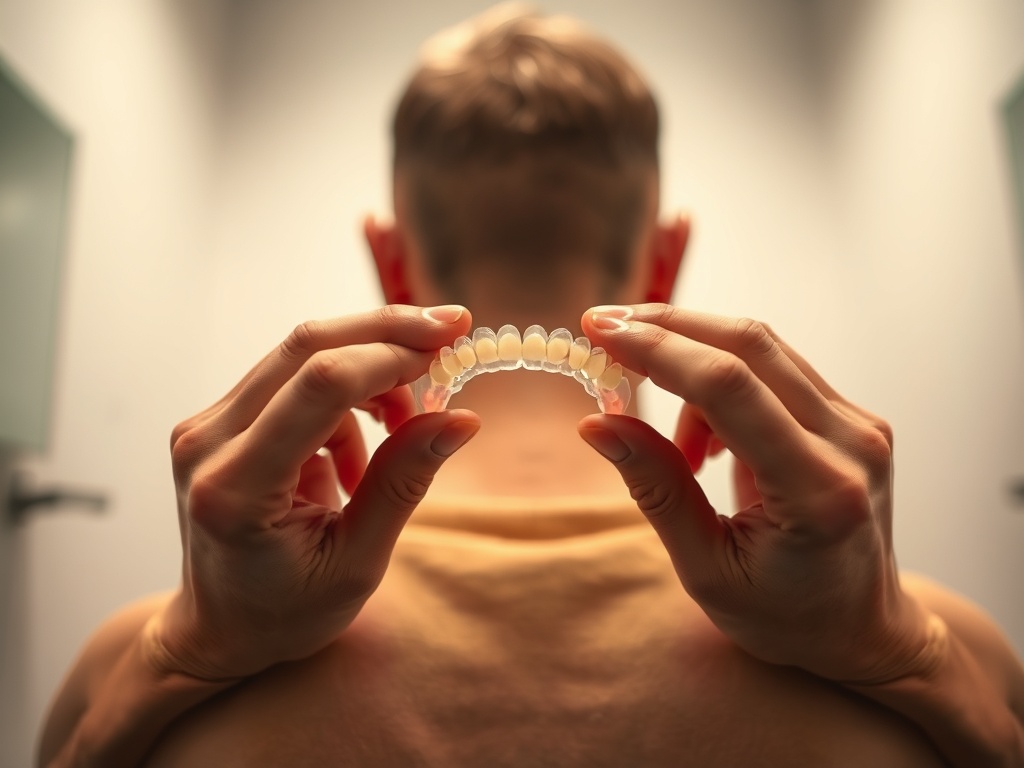
After the initial stabilization period, nightly wear is typically recommended indefinitely. Patients who stop wearing retainers entirely often see noticeable shifting within months.
What Happens If You Skip Retainer Wear
Brief lapses—a few nights—usually cause no permanent change. A retainer that stops fitting after a gap in wear, however, is a sign that teeth have moved enough to make the device uncomfortable. Do not force a retainer that no longer fits. Contact your orthodontist to assess whether adjustments, a new retainer, or a short period of aligner refinement is needed.
Cost Planning for Retainers Work Braces Aligners
Retainers are not a one-time purchase. Clear removable retainers typically need to be replaced every 1–3 years; Hawley retainers last longer but can break. Building retainer replacement into your dental budget—even modestly—prevents the surprise expense. For families managing multiple children coming out of orthodontic treatment, the article on Out-of-Network Dentist Costs: When Paying More May Still Make Sense covers how provider choice affects cost over time for ongoing dental needs.
The broader investment of orthodontic treatment is worth protecting through consistent retention. Questions about how cosmetic dentistry and retention interact—especially for patients planning to whiten after treatment—can be explored in the article on DIY Whitening Kits vs Professional Whitening: Safety and Results Compared.
Retainer Emergencies and When to Contact Your Orthodontist
- Retainer cracked, broken, or deformed: Stop wearing it; contact your provider for a replacement.
- Retainer that used to fit now feels tight or doesn't seat fully: Teeth may have shifted; don't force it—schedule an evaluation.
- Fixed retainer wire has detached from a tooth: Contact your provider; detached wires can irritate soft tissue and will not retain the tooth.
For patients wondering about cosmetic questions at the end of treatment, a cosmetic consultation is a practical next step. The article on Questions to Ask During a Cosmetic Dentistry Consultation outlines what to bring to that conversation.
Questions About Retainers Work Braces Aligners
Before leaving the discussion of How Retainers Work After Braces or Aligners, confirm the first step, expected follow-up, and warning signs that justify earlier contact after the examination is explained. A consultation about How Retainers Work After Braces or Aligners is more useful when you bring a brief timeline, current medicines, relevant health conditions, and details of earlier dental work. For How Retainers Work After Braces or Aligners, explain whether comfort, function, appearance, durability, cost, or a conservative approach matters most while risks and alternatives are compared.
Clinical Checks for Retainers Work Braces Aligners
For Retainers Work Braces Aligners, this part of Clinical Checks for Retainers Work Braces Aligners focuses on confirmed findings, measurements, imaging, and health-history factors while the options are being narrowed, with the same details verified during the initial review. The clinician should also explain what remains uncertain and whether another test or specialist opinion would alter the plan for Retainers Work Braces Aligners while the expected outcome is clarified, using the examination and health history rather than a general assumption. Recording that explanation gives the patient a clearer next step for Retainers Work Braces Aligners while the options are being narrowed, especially when follow-up duties are reviewed during the initial review.
Comparing Options for Retainers Work Braces Aligners
For Retainers Work Braces Aligners, this part of Comparing Options for Retainers Work Braces Aligners focuses on benefit, limitations, durability, maintenance, timing, and total cost before treatment is scheduled, with the same details verified during the initial review. The clinician should also explain how each choice preserves tooth structure or tissue and what backup treatment may be needed for Retainers Work Braces Aligners when a second opinion is considered, using the examination and health history rather than a general assumption. Recording that explanation gives the patient a clearer next step for Retainers Work Braces Aligners before treatment is scheduled, especially when follow-up duties are reviewed during the initial review.
Protecting What You've Invested
Orthodontic treatment is a significant investment of time and often money. Retainers are the only thing between the outcome you achieved and slow relapse back toward your starting point. The commitment required—wearing a retainer every night, replacing it as needed, keeping a fixed wire clean—is genuinely minor relative to the treatment it protects.
Comparing Options for Retainers Work Braces Aligners During Planning
For Retainers Work Braces Aligners, this part of Comparing Options for Retainers Work Braces Aligners During Planning focuses on benefit, limitations, durability, maintenance, timing, and total cost when maintenance is discussed, with the same details verified during the initial review. The clinician should also explain how each choice preserves tooth structure or tissue and what backup treatment may be needed for Retainers Work Braces Aligners during the initial review, using the examination and health history rather than a general assumption. Recording that explanation gives the patient a clearer next step for Retainers Work Braces Aligners when maintenance is discussed, especially when follow-up duties are reviewed during the initial review.