Dental Bonding for Chips and Small Gaps: What It Can Fix
Dental bonding is one of the most accessible cosmetic and restorative options in dentistry—it uses a tooth-colored composite resin applied directly to the tooth surface to repair chips, close small gaps, reshape teeth, and cover minor discoloration. Most procedures are completed in a single visit without anesthesia.
Key Takeaways
- Bonding can repair chips, close minor gaps, lengthen short teeth, and cover localized staining.
- It’s among the least expensive cosmetic dental procedures and typically requires no tooth removal.
- Composite resin is less durable than porcelain veneers—bonding may chip or stain over time.
- A well-placed bond can last 3–10 years depending on habits and how it’s maintained.
- It’s not appropriate for large structural damage or teeth with significant decay.
What Dental Bonding Can Address
- Chipped or fractured teeth: Bonding restores the shape and appearance of a tooth lost to minor trauma.
- Small gaps between teeth (diastemas): Composite resin applied to the sides of adjacent teeth can close gaps of 1–2 mm without orthodontic treatment.
- Short or worn teeth: Bonding can add length to teeth that have been shortened by grinding or normal wear.
- Discoloration that doesn’t respond to whitening: Fluorosis spots, white spots from early decay, or isolated dark areas can be masked with bonding.
- Minor reshaping: Correcting a slightly pointed canine or irregularly shaped lateral incisor falls within what bonding handles well.
What Bonding Doesn’t Do Well
Understanding where bonding works and where it doesn’t helps set realistic expectations:
- Bonding is not structurally equivalent to the original tooth. Large chips or fractures that involve a significant portion of the crown may need an inlay, onlay, or crown instead.
- Composite resin stains over time, especially with coffee, tea, red wine, and tobacco. Porcelain veneers are more stain-resistant for patients concerned about long-term color stability.
- Bonding cannot close large gaps. Gaps greater than 2–3 mm or those caused by underlying bite issues may require orthodontics.
- Bonding on back teeth is subject to high chewing forces and may fracture more quickly than on front teeth.
How the Bonding Procedure Works
- The dentist selects a composite resin shade that matches your natural tooth color.
- The tooth surface is lightly etched with a conditioning liquid to improve adhesion.
- The putty-like resin is applied in layers and sculpted to the desired shape.
- A blue UV curing light hardens each layer.
- The dentist trims, shapes, and polishes the finished restoration to blend with surrounding teeth.
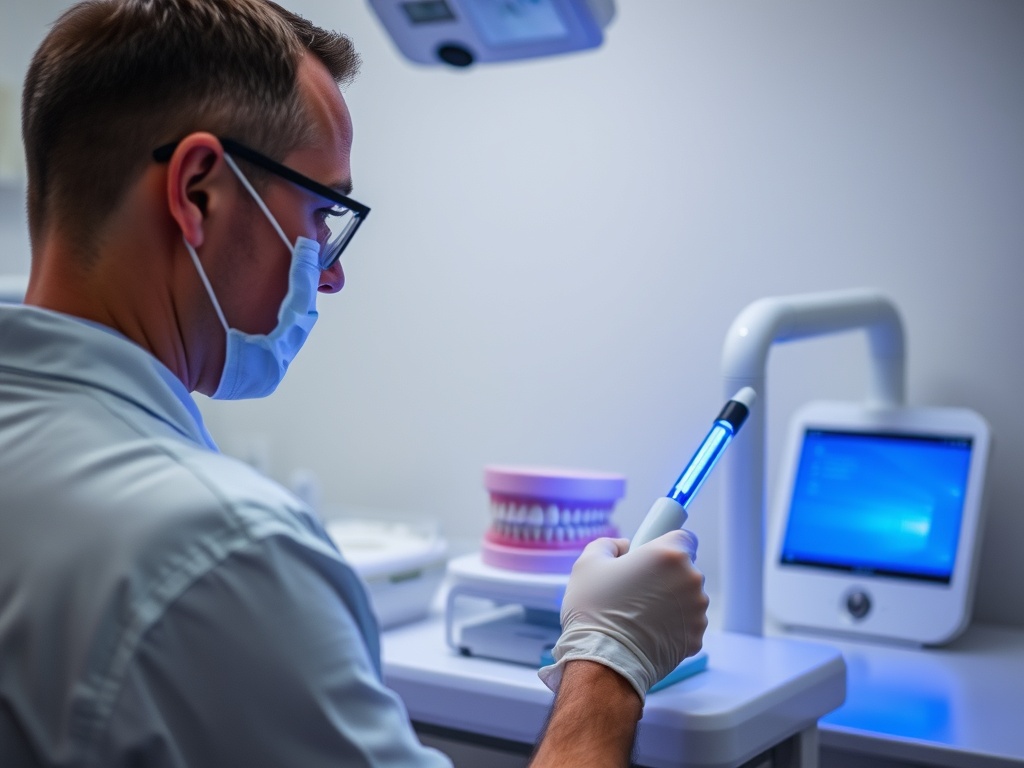
Anesthesia is usually not needed unless the bonding is also addressing a cavity. The full procedure for a single tooth typically takes 30–60 minutes.
Bonding vs. Porcelain Veneers: A Quick Comparison
| Factor | Composite Bonding | Porcelain Veneers |
|---|---|---|
| Visits required | 1 visit | 2–3 visits (custom lab fabrication) |
| Cost (per tooth) | Generally $200–$600 | Generally $1,000–$2,500 |
| Durability | 3–10 years with care | 10–20 years with care |
| Stain resistance | Moderate—may discolor over time | High—porcelain resists staining |
| Tooth removal required? | Minimal to none | Thin layer of enamel typically removed |
| Repairability | Can be repaired or touched up | Cannot be repaired; must be replaced |
Aftercare and Longevity
Composite resin is not as hard as enamel. Patients who bite their nails, chew ice, or use their teeth to open packaging can chip bonding relatively easily. Bonded teeth can be brushed and flossed normally, but extra care is worth taking in the first 24–48 hours while resin fully cures.
If you grind your teeth at night, your dentist may recommend a nightguard before or alongside bonding. Grinding generates forces that significantly shorten the lifespan of composite restorations. For broader guidance on what questions to raise before a cosmetic procedure, the article on Questions to Ask During a Cosmetic dentistry consultation walks through what to discuss at a pre-treatment appointment.
Staining in bonded areas is gradual—not sudden—and can sometimes be managed with polishing at a maintenance visit. External links for further reading: The American academy of cosmetic dentistry provides patient-facing information on composite bonding and what to expect from the procedure over time.
Questions About Dental Bonding Chips Small Gaps
For Dental Bonding Chips Small Gaps, this part of Questions About Dental Bonding Chips Small Gaps focuses on the symptom history, previous treatment, current medicines, and the result the patient values most before temporary care is replaced, with the same details verified before the final recommendation is accepted. The clinician should also explain which examination finding supports each recommendation and what information could change it for Dental Bonding Chips Small Gaps as the treatment sequence is documented, using the examination and health history rather than a general assumption.
Clinical Checks for Dental Bonding Chips Small Gaps
For Dental Bonding Chips Small Gaps, this part of Clinical Checks for Dental Bonding Chips Small Gaps focuses on confirmed findings, measurements, imaging, and health-history factors while recovery expectations are clarified, with the same details verified before the final recommendation is accepted. The clinician should also explain what remains uncertain and whether another test or specialist opinion would alter the plan for Dental Bonding Chips Small Gaps after the examination is explained, using the examination and health history rather than a general assumption. Recording that explanation gives the patient a clearer next step for Dental Bonding Chips Small Gaps while recovery expectations are clarified, especially when follow-up duties are reviewed before the final recommendation is accepted.
Comparing Options for Dental Bonding Chips Small Gaps
For Dental Bonding Chips Small Gaps, this part of Comparing Options for Dental Bonding Chips Small Gaps focuses on benefit, limitations, durability, maintenance, timing, and total cost when the diagnosis is confirmed, with the same details verified before the final recommendation is accepted. The clinician should also explain how each choice preserves tooth structure or tissue and what backup treatment may be needed for Dental Bonding Chips Small Gaps before the final recommendation is accepted, using the examination and health history rather than a general assumption. Recording that explanation gives the patient a clearer next step for Dental Bonding Chips Small Gaps when the diagnosis is confirmed, especially when follow-up duties are reviewed before the final recommendation is accepted.
Is Bonding Right for Your Situation?
Dental bonding is a practical first option for patients with minor cosmetic or structural concerns who want a fast, affordable, reversible solution. For more significant concerns about aesthetics or durability, it’s worth comparing bonding to alternatives in a consultation. Most dentists can show you a photo or use digital mockups to give you a realistic preview of the expected result.
If you’re unsure whether bonding is appropriate for your specific tooth—or want to understand how it fits into a broader smile plan—a cosmetic consultation is a low-commitment starting point. Bring photos of the result you’re hoping to achieve, and ask your dentist to walk through the options that fit your timeline and budget.
Warning Signs for Dental Bonding Chips Small Gaps
For Dental Bonding Chips Small Gaps, this part of Warning Signs for Dental Bonding Chips Small Gaps focuses on stable symptoms versus swelling, fever, trauma, bleeding, drainage, or loss of function as the long-term result is reviewed, with the same details verified before the final recommendation is accepted. The clinician should also explain how quickly the condition is changing and whether delay could increase risk for Dental Bonding Chips Small Gaps before temporary care is replaced, using the examination and health history rather than a general assumption.
Warning Signs for Dental Bonding Chips Small Gaps During Planning
For Dental Bonding Chips Small Gaps, this part of Warning Signs for Dental Bonding Chips Small Gaps During Planning focuses on stable symptoms versus swelling, fever, trauma, bleeding, drainage, or loss of function before the next appointment is booked, with the same details verified before the final recommendation is accepted. The clinician should also explain how quickly the condition is changing and whether delay could increase risk for Dental Bonding Chips Small Gaps while the options are being narrowed, using the examination and health history rather than a general assumption.