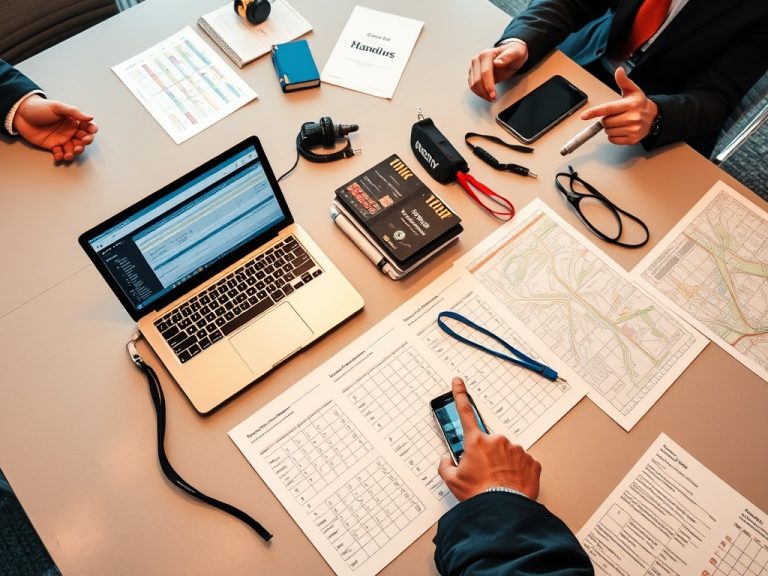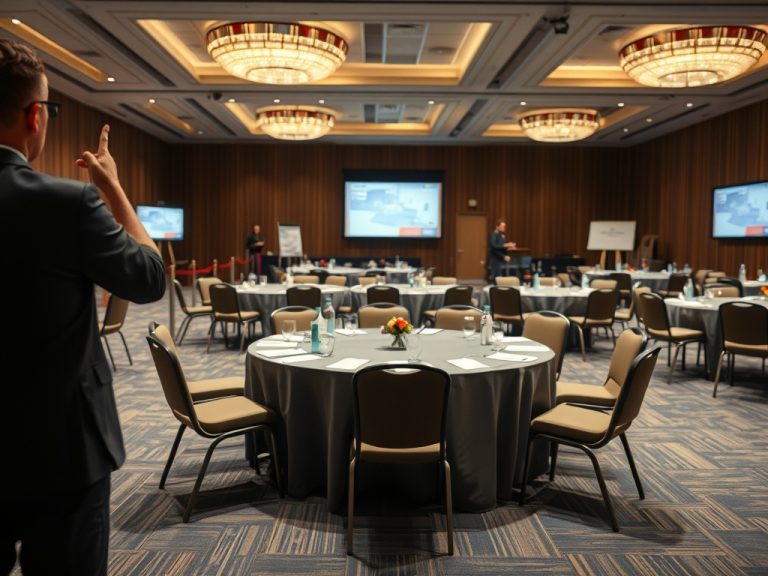
Live streaming decisions should be made before the event team finalizes room setup, speaker prep, internet needs, platform settings, recording rights, and post-event content plans.
TL;DR: Live streaming is both a technical workflow and an attendee-experience decision.
- Teams should confirm platform choice, encoder setup, audio capture, camera coverage, permission language, backup plans, and on-demand use early.
- The right question is not only can we stream it, but what must change so the stream is reliable and useful?
For a credible outside check, compare this planning approach with YouTube encoder live stream guide and YouTube live streaming tips, then verify all event-specific details with the responsible organizer, venue, vendor, or platform before acting on them.
What Event Teams Usually Ask First
Live streaming adds a second venue: the digital room. That room needs clear access rules, audio quality, visual framing, speaker readiness, backup plans, and audience support. Treating it as a simple add-on often creates avoidable stress near showtime. The first planning decision is to define the exact problem the event must solve. A public festival, association summit, training program, fundraiser, and executive briefing all place different pressure on budgets, staffing, space, content, accessibility, safety, and follow-up. Treating them as one generic event type creates vague plans and unclear tradeoffs.
The stronger approach is to write down the confirmed facts, open assumptions, decision owners, and points that still need organizer or venue confirmation. This keeps the team from presenting preferences as facts and reduces the chance that marketing, operations, and vendor teams build from different versions of the event plan. See YouTube encoder live stream guide.
Technical Decisions That Need Early Owners
For live streaming faq: answers event teams need before they move forward, teams should look for the points where small changes affect the whole experience. That may be entry flow, speaker readiness, local partner involvement, vendor response times, stream reliability, contract language, post-event asset capture, or executive reporting. The topic is not just a creative issue; it is an operating issue.
Industry resources can help teams avoid making every process from scratch. The YouTube encoder live stream guide reference is especially useful when teams want a credible outside framework before they decide what to document, who should sign off, and how much review is appropriate for the event size. See YouTube live streaming tips.
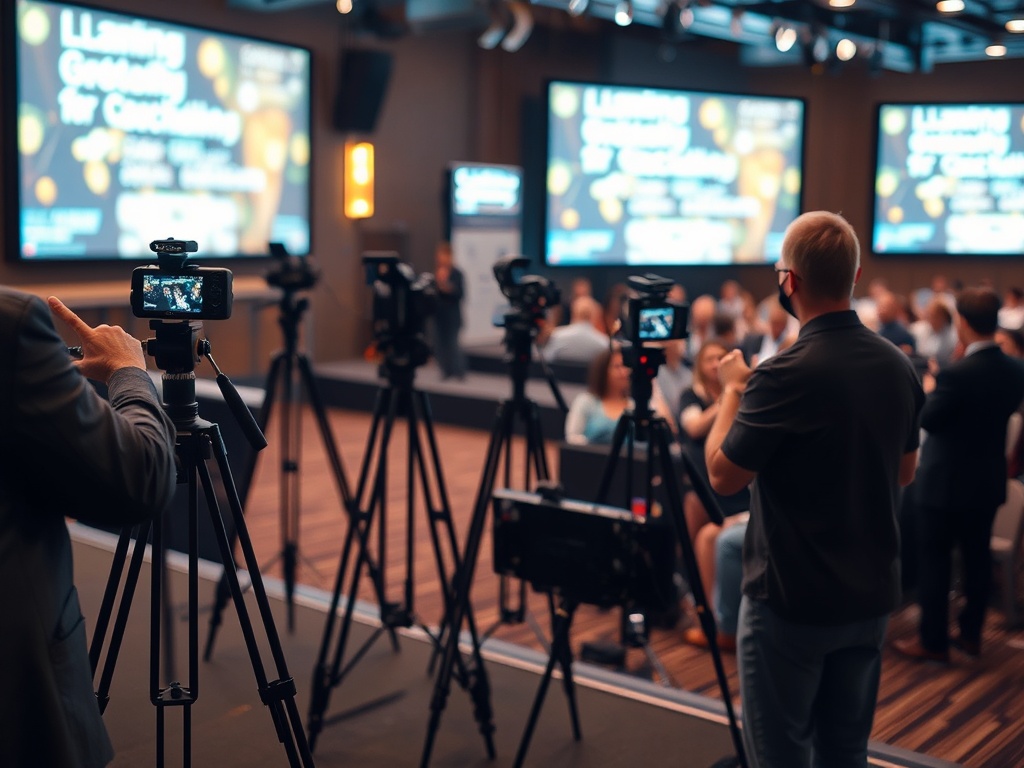
Content and Permission Questions to Settle
A practical workflow starts with one source of truth. Assign a decision owner, deadline, dependency, and proof point for each item. Proof may be a signed contract, approved floor plan, confirmed run-of-show, tested stream setting, final email copy, sponsor asset approval, or post-event content list. Without proof, the task is only a conversation.
This is also where internal planning content can help. Teams comparing related decisions can use the linked wordnest.us/ guides in context rather than jumping between unrelated checklists. The goal is not to over-document the event; it is to give each team member enough clarity to move without guessing.
Live Stream FAQ for Planning Meetings
| Question | Planning answer to confirm | Why it matters |
|---|---|---|
| Do we need an encoder? | Yes for advanced camera, audio, or screen setups | Supports more controlled production |
| Can we test on event day only? | A test should happen earlier where possible | Reduces platform and network surprises |
| Will it be available on demand? | Confirm rights and editing plan first | Affects speaker consent and content workflow |
| Who supports remote viewers? | Assign a chat or help owner | Prevents production staff from handling every issue |
What to Check Before Going Live
Red flags usually appear as repeated exceptions. If every vendor needs a custom follow-up, the procurement process may be weak. If attendees keep asking the same question, onboarding or confirmation copy may be incomplete. If content capture fails after the event, the repurposing plan was probably not built before the program started.
Use a review rhythm that matches the event's risk level. Weekly reviews may work early, while daily checks may be needed near launch. Safety, access, venue, legal, financial, and ticketing details should always be verified with the responsible source because rules, availability, prices, and schedules can change.
Planning Controls for Live Streaming FAQ: Answers Event Team
A strong plan for live streaming faq: answers event teams need before they move forward should also define what will not be decided in the same meeting. Event teams lose time when strategy, budget, creative, vendor management, risk review, and attendee support are all treated as one discussion. Separate the decision layers and record why each one matters. First confirm the event goal and audience promise. Then confirm the operating constraints. After that, assign owners for the pieces that need specialist input, such as legal review, platform settings, venue rules, insurance, accessibility, staffing, or production.
Documentation should be practical rather than decorative. For live streaming faq: answers event teams need before they move forward, the most useful documents are the ones the team will actually open during planning, rehearsal, vendor check-ins, and post-event review. Keep the language plain, add dates where they matter, and identify the person responsible for resolving each open question. If a detail is only assumed, label it as an assumption until the organizer, venue, vendor, ticketing platform, or other responsible party confirms it.
The review cadence should become tighter as the event date approaches. Early reviews can focus on strategy, scope, budget, and major dependencies. Mid-cycle reviews should test whether content, attendee communication, vendor tasks, accessibility needs, and operational materials are moving together. Final reviews should be shorter and more factual: what is approved, what is blocked, what changed, and who is handling the next action.
A useful quality check is to ask what would break if the primary owner were unavailable for one day. If the answer is everything, the process is too dependent on memory. Shared notes, clear file names, vendor contact paths, version control, and written escalation rules make the plan easier to hand off. This does not remove judgment from event work; it gives the team more room to use judgment when something unexpected happens.
After the event, compare the original planning assumptions with what actually happened. Look at attendance quality, queue pressure, support questions, vendor response, content performance, sponsor feedback, and attendee friction. Avoid turning every observation into a new rule. Instead, identify the few process changes that would have prevented the largest problems or protected the strongest outcomes. That discipline keeps future planning sharper without adding unnecessary complexity.
Teams should also decide how much evidence is enough before they move forward. Some choices only need internal approval, while others may require venue confirmation, vendor paperwork, insurance review, platform testing, accessibility review, or financial signoff. The key is to match the evidence level to the risk. A low-stakes design preference should not slow the whole timeline, but a vague access rule, missing cancellation term, or untested technical setup deserves documented confirmation before launch. See EIC APEX resources.
The final readiness test is whether a new team member could understand the plan in a short handoff. They should know the goal, audience, schedule, key contacts, open risks, approved materials, and decision history without relying on private messages. When that level of clarity exists, the team can respond faster, communicate with more confidence, and reduce avoidable stress during the busiest stages of planning.
Streaming Works Best When It Is Planned Like a Venue
A useful event process separates confirmed facts from working assumptions. Dates, venue rules, pass types, platform requirements, accessibility needs, and vendor commitments should be checked against the responsible source, then tracked in a shared document that records the owner, due date, and proof point.
Confirm the production path, rights, testing schedule, and viewer support process before the room design and speaker instructions are final.
Within wordnest.us/, this topic also connects naturally with Attendee Onboarding Checklist: What to Review Before The First Confirmation Email Is Sent and Clip-First vs. Longform-First Event Repurposing.
Informational note: This events content is for educational use only and is not legal, financial, travel, immigration, safety, or contractual advice. Event teams should verify details with official organizers, venues, vendors, platforms, and local authorities before making ticketing, travel, access, procurement, or participation decisions.