AR and mixed reality are useful in sports when they make information easier to understand or the event easier to enjoy. They become gimmicks when overlays distract fans, slow down the experience, or add novelty without solving a real problem.
TL;DR: The best fan uses are wayfinding, live stats, replays, accessibility support, training-style explanations, and at-home viewing enhancements. The test is whether the feature helps fans understand or enjoy the sport faster.
What AR and mixed reality mean for fans
Augmented reality adds digital elements to the real world, often through a phone, tablet, headset, or venue screen. Mixed reality goes further by blending digital objects with physical space in a more interactive way.
In sports, the value is not the technology itself. The value is context: where to go, what just happened, why a tactic matters, or how to compare performance. Research on sports visualization, including this sports visualization review, shows why presenting data clearly is a major challenge.
Useful venue applications
Wayfinding is one of the most practical uses. AR directions can help fans find seats, concessions, restrooms, exits, or transit points. Overlays can also explain rules for new fans, show player information, or highlight replay angles without requiring a separate search.
The feature should be optional. Fans who came for the atmosphere should not feel forced to watch the event through a screen.
| Use case | Why it can help | Risk |
|---|---|---|
| Wayfinding | Reduces venue confusion | Battery or signal issues |
| Live stats overlays | Adds context quickly | Too much clutter |
| Replay explanations | Helps newer fans understand decisions | May interrupt live atmosphere |
| At-home mixed reality | Makes tactics more visual | High device cost and limited adoption |
Useful at-home applications
At home, AR and mixed reality can help explain tactics, spacing, speed, and positioning. A viewer could see a route pattern, shot chart, cycling power zone, or esports map control concept in a more visual way.
This connects to broader sports media careers. Creators who explain games clearly may use immersive formats in the future, but the same trust rules from sports creator monetization still apply.
Trade-offs to watch
Battery drain, poor connectivity, accessibility barriers, privacy concerns, headset cost, and visual clutter can all reduce usefulness. A feature that works in a demo may fail in a crowded stadium with weak signal and thousands of people moving at once.
Sports organizations should test whether fans use the feature more than once. Repeat use is a stronger sign than a launch-day photo opportunity.
What will likely last
The lasting features will probably be practical: navigation, language support, replay context, coaching-style explanations, and personalized viewing controls. Flashy animations with no purpose will fade faster.
A good fan technology should make the game feel clearer, not smaller. If the screen becomes more important than the event, the design has missed the point.
Fan Tech Visual Direction
Useful experiences solve a real fan problem
AR works best when it helps fans understand, choose, or enjoy something faster. Seat previews, wayfinding, interactive stats, replay context, and simple second-screen features can add value when they reduce friction.
A feature is less useful when it asks fans to stare at a phone during the exact moment they came to watch. The best mixed reality ideas support the live event instead of competing with it.
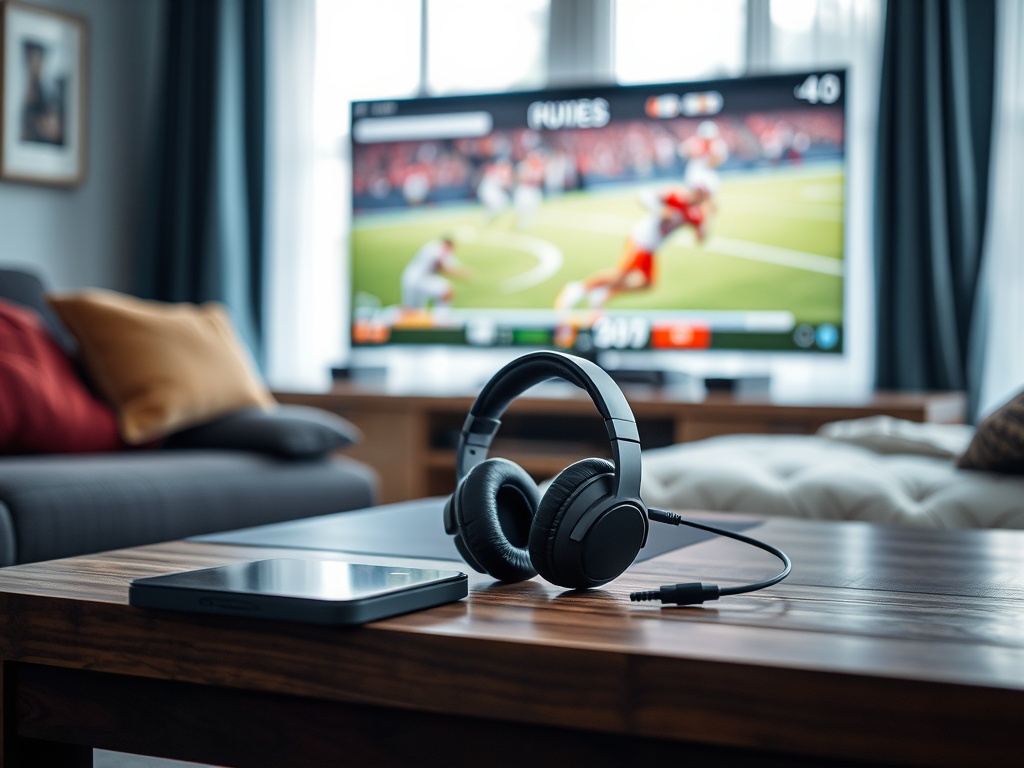
At home, AR can help explain formations, player movement, race lines, or tactical spacing. The experience should make the sport clearer, not turn the broadcast into a cluttered tech demo.
Design choices that matter
Legibility is a major challenge. Small overlays, fast animations, crowded graphics, or confusing gestures can make fans abandon a feature after one try.
Privacy and comfort also matter. Fans may not want cameras scanning crowds, children, homes, or personal spaces just to access a bonus feature. Clear consent and minimal data collection should be part of the design.
Accessibility should be considered early. Color contrast, motion sensitivity, captioning, audio options, and easy exit controls can decide whether the tool serves many fans or only a narrow group.
How teams should judge success
Success should not be measured only by downloads. Teams should ask whether the feature helped fans find seats, understand the game, spend less time in lines, or feel more connected to the event.
A smaller feature that people use every match may be more valuable than a flashy launch that disappears after one weekend. Utility is what separates helpful fan technology from novelty.
This extra check keeps the fan advice connected to real decisions rather than abstract theory. Readers should compare the recommendation with their level, schedule, budget, available support, and risk tolerance. That practical filter helps beginners act carefully while giving experienced readers enough context to adapt the guidance. The point is not to add complexity; it is to make the next step easier to choose and easier to explain. Use the details that match the situation, then ignore anything that does not improve safety, clarity, preparation, or enjoyment. A measured approach also prevents one exciting idea from crowding out the habits that make steady progress possible. When the setting changes, review the assumptions again so the advice stays useful rather than automatic. That habit keeps decisions grounded, flexible, and easier to adjust when new information appears. For fan topics, the strongest advice usually comes from matching the method to the person and the moment. Small constraints matter because time, equipment, confidence, travel, recovery, and skill level can change the right answer. A reader can use the same principle by asking what problem needs solving before choosing a tool or routine. If the answer is unclear, choose the safer and simpler option until better evidence or experience points another way. This keeps the article useful as a guide, not a rigid rulebook that ignores real conditions. Clear notes also help people revisit the decision later and understand why a particular step made sense. The most reliable plan is specific enough to act on and flexible enough to change when circumstances shift. That balance is what separates helpful sports guidance from advice that sounds confident but fails in practice. Readers should treat examples as starting points, then adjust them to age, setting, goals, and available supervision. Review fan context first before acting too quickly again later today.