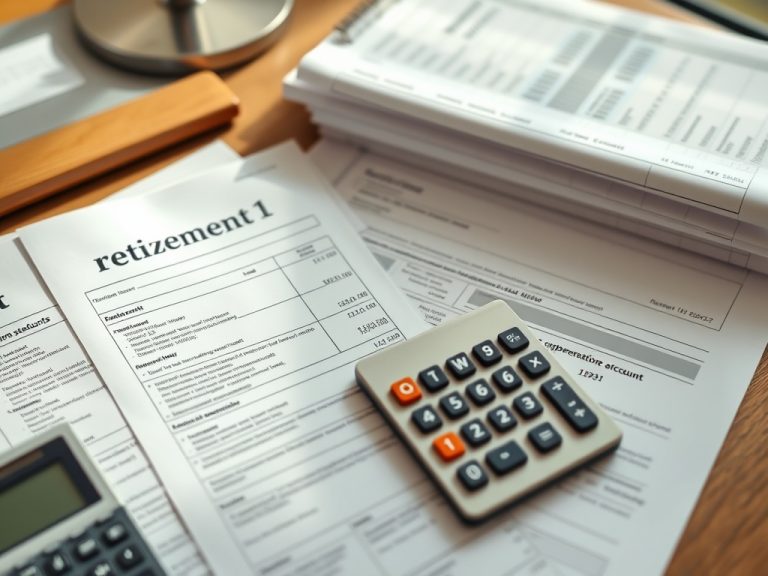
Documenting a loss properly means creating a clear record of what happened, what was damaged, when it happened, and what evidence supports the claim. Good documentation does not guarantee payment, but it can make the insurer’s review more complete and reduce avoidable delays.
TL;DR: Key takeaways
• Start with safety and required emergency steps before organizing paperwork.
• Use photos, videos, receipts, inventories, estimates, and communication logs.
• Keep original documents and record every claim conversation.
For regulatory or consumer context, review NAIC claims guidance while confirming product-specific details directly with the provider.
The First Record Matters
After a loss, safety comes first. Once people are safe and urgent damage is controlled, documentation should begin as soon as practical. Take wide photos, close-up photos, videos, and notes before cleanup when it is safe to do so. If temporary repairs are needed to prevent further damage, photograph the condition first and save receipts. Insurance policies often require reasonable steps to protect property after a loss, but policy language varies.
The NAIC explains that after a loss is reported, the insurer typically sends an adjuster to assess damage. A well-organized record helps the adjuster understand the timeline and the property condition. It also helps the policyholder remember details during a stressful period.
Evidence That Helps an Adjuster Review the Claim
Good evidence includes date-stamped photos, videos, receipts, serial numbers, purchase records, repair invoices, police or fire reports when applicable, contractor estimates, and a written timeline. For household property, a home inventory can be valuable because it records belongings before a loss occurs. The NAIC offers a home inventory resource that encourages consumers to keep records of belongings and supporting details.
Evidence should be factual, not inflated. Guessing values, exaggerating damage, or discarding damaged items too soon can create problems. If an item must be thrown away for safety, photograph it first and ask the insurer what documentation is needed.
A Documentation Workflow After the Loss
Create a claim folder with five sections: policy, timeline, photos and videos, expenses, and communications. The policy section should include declarations pages and relevant endorsements. The timeline should list the event, discovery time, emergency actions, claim reporting, adjuster visits, and repairs. The expense section should include temporary lodging, mitigation, repair, replacement, and professional service receipts.
Documentation habits also apply to other financial processes. Mortgage closings depend on written records and timing, which is why rate-lock details should be saved carefully. Borrowing issues also become clearer when loan denial reasons and supporting documents are organized. Even travel-card disputes are easier when receipts and transaction details are preserved.
For related planning context, readers can compare this topic with Mortgage Rate Locks: Timing Risks and Best Practices and What to Do If You Keep Getting Denied for Loans.
Claim File Checklist
| Document | Why it helps | When to gather it |
|---|---|---|
| Photos and video | Shows condition and scope | Immediately when safe |
| Receipts and invoices | Supports value and expense | Before and after repairs |
| Inventory | Confirms ownership and details | Before loss or during claim |
| Communication log | Tracks promises and dates | Every claim contact |
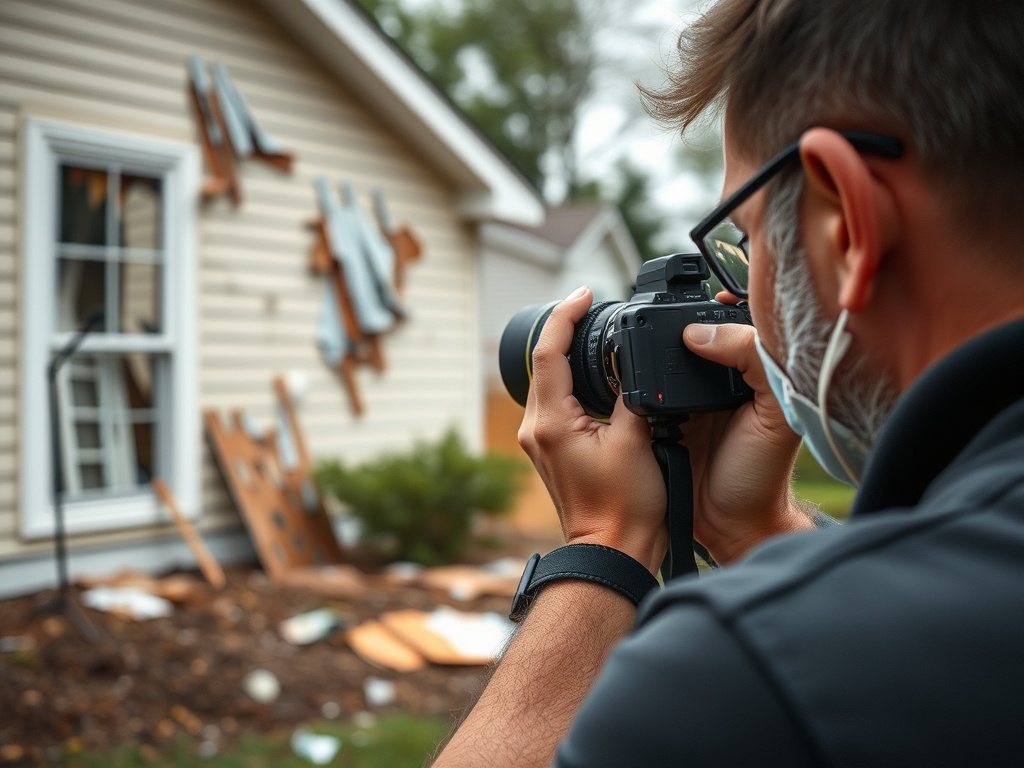
For photos, capture the room or area first, then each damaged item, then labels or identifying features if visible. For videos, move slowly and narrate the date and general location without revealing private information unnecessarily. Keep backups in cloud storage or an external drive if possible.
For conversations, write down the date, name of the representative, phone number or email, summary of the discussion, and promised next step. If documents are uploaded through a portal, save confirmation screens or emails.
For another official reference point, see NAIC home inventory resource before applying the concept to your own situation.
Where Claims Get Delayed
Claims often slow down when the insurer cannot verify ownership, cause of loss, repair scope, or replacement cost. Delays can also occur when policyholders begin major repairs before the adjuster reviews the damage, when contractors provide unclear estimates, or when receipts are missing. Some delays are unavoidable, but many are reduced by clean records.
Be careful with contractors or public adjusters who pressure quick decisions. Understand fees, authority, and policy obligations before signing agreements. This is a general best practice, not a judgment on any specific professional.
A Cleaner Claim Story
A clean claim story answers four questions: What happened? What was damaged? What proof supports the amount claimed? What has changed since the loss? If the file answers those questions clearly, the review process has fewer avoidable gaps.
This article is for informational and educational purposes only. It is not insurance, legal, tax, or financial advice. Policy terms, state laws, documentation duties, and claim outcomes vary. Review your policy and consult your insurer, state insurance department, or qualified professional for guidance.
A third related angle worth reviewing is Foreign Transaction Fees and Travel Card Fine Print, especially when several financial decisions overlap.
A Stronger File Before the Adjuster Arrives
Write the timeline while details are fresh. Include when the loss was discovered, what emergency steps were taken, who was contacted, and what changed before the adjuster visit. A timeline prevents scattered details from becoming confusing later.
Separate damaged property from undamaged property when safe. This helps create a clear record and may make inspection easier. Do not discard items until the insurer gives instructions, unless safety requires removal.
Use estimates carefully. A contractor estimate can help explain repair scope, but it is not the same as a coverage decision. Keep estimates itemized and avoid signing broad assignments or repair agreements before understanding policy requirements.
Keep claim communication professional. Emotional frustration is understandable, but written records should stay factual. Clear dates, documents, and questions are more useful than long complaints when a claim is being reviewed.
Digital organization helps when the claim lasts longer than expected. Name files by date and category, such as kitchen-damage-photo or hotel-receipt, without exposing sensitive details. A clear naming system makes it easier to answer requests from the insurer.
If the claim involves business property, rental property, or a major liability issue, documentation may need to be more formal. Policies, leases, contracts, inventories, and professional reports should be kept together. Larger claims may justify legal or professional insurance guidance.
For weather, theft, fire, or water losses, outside records may support the timeline. Weather reports, police reports, maintenance records, alarm records, or plumber invoices can help connect the event to the claimed damage when the insurer asks for more context.
If temporary housing or business interruption is involved, track dates carefully. Coverage often depends on policy wording, cause of loss, and reasonable time frames. Save lodging bills, meal receipts when relevant, mileage logs, and written insurer instructions.
When in doubt, ask the insurer how to submit evidence before sending large files. Portals, email limits, and claim numbers matter, and misfiled documents can slow review.
Keep duplicate copies offline as well, especially after storms or outages.
Clear file names and secure backups protect access. Use labels that identify the date, room, item, or expense category without exposing private information. Store a duplicate copy outside the damaged property if storms, fire, theft, or outages could limit access later.