A useful insect habitat provides three things across the whole season: dependable food from suitable flowering plants, places to nest or overwinter, and protection from unnecessary pesticide exposure. The strongest garden designs combine regional native plants with structural features such as bare soil, hollow or pithy stems, leaf litter, dead wood, grasses, and small undisturbed areas.
TL;DR: Plant a diverse sequence of flowers from spring through fall, include regionally native species, leave some bare ground and stems for nesting, retain limited leaf litter and woody material for shelter, provide shallow water safely, and reduce pesticide use. A “pollinator garden” works best as a functioning habitat rather than a flowerbed that is cleaned bare each season.
Start with a season-long food plan
Bees, hoverflies, butterflies, moths, beetles, parasitic wasps, and other beneficial insects have different diets and life cycles. A single mass of flowers that blooms for three weeks can be attractive, but it leaves a food gap before and after its peak. Plan overlapping bloom periods so something is flowering from early spring through fall in your climate.
The Xerces Society’s guidance for pollinator conservation in yards and gardens emphasizes abundant flowers, shelter and nesting sites, and protection from pesticides. It also recommends regionally appropriate plants rather than relying on one national list.
Use several flower shapes and plant heights. Open, shallow flowers can be accessible to small beneficial insects, while tubular flowers serve insects with longer mouthparts. Clumps of the same species can make flowers easier to find, but mixing clumps across the garden increases diversity and extends the season.
Prioritize native plants that fit your exact site
Native plants can be valuable because local insects may have long-standing relationships with them, including caterpillars and specialist bees that use particular plant groups. “Native” still does not mean “right everywhere.” Match plants to your region, sun exposure, soil moisture, winter hardiness, and available space.
The USDA Natural Resources Conservation Service provides a pollinator habitat assessment guide for yards, gardens, and parks that highlights flowering resources, bare ground, unmown vegetation, nesting materials, and pesticide reduction. Use region-specific plant lists from extension offices, native plant societies, or NRCS partners when choosing species.
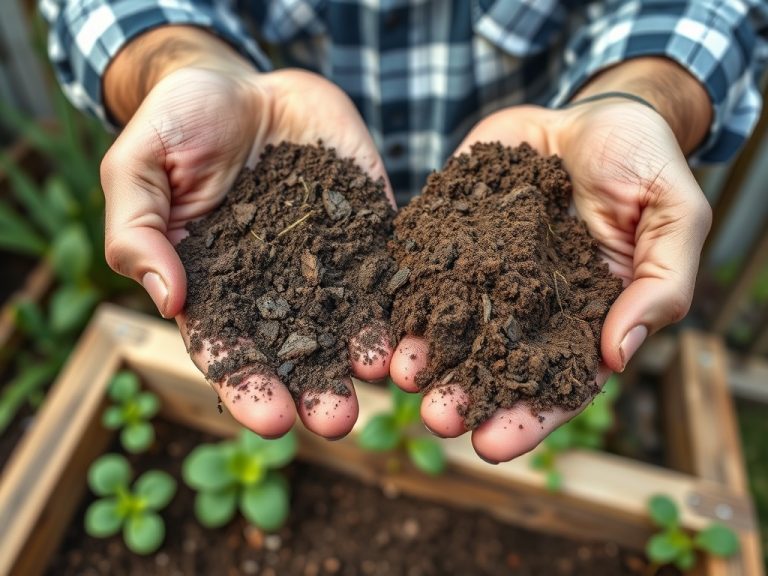
Before choosing habitat plants, check how moisture behaves in the bed. How to tell if soil is too wet or too dry can help you match plants to real site conditions instead of relying only on a label or generic plant list.
Build the habitat layers
Provide nesting places as intentionally as flowers
Many native bees do not live in hives. Ground-nesting species need patches of accessible, well-drained soil that are not covered by thick mulch or landscape fabric. Other bees use hollow stems, beetle holes in dead wood, or pithy plant stems.
Leave several small habitat zones rather than trying to make the entire yard look unmanaged. A patch of bare mineral soil in a sunny, low-traffic area can serve ground nesters. Bundles of naturally hollow stems can be useful if they are kept dry and replaced when they become moldy or heavily parasitized. Standing dead stems can also provide nesting sites with less maintenance.
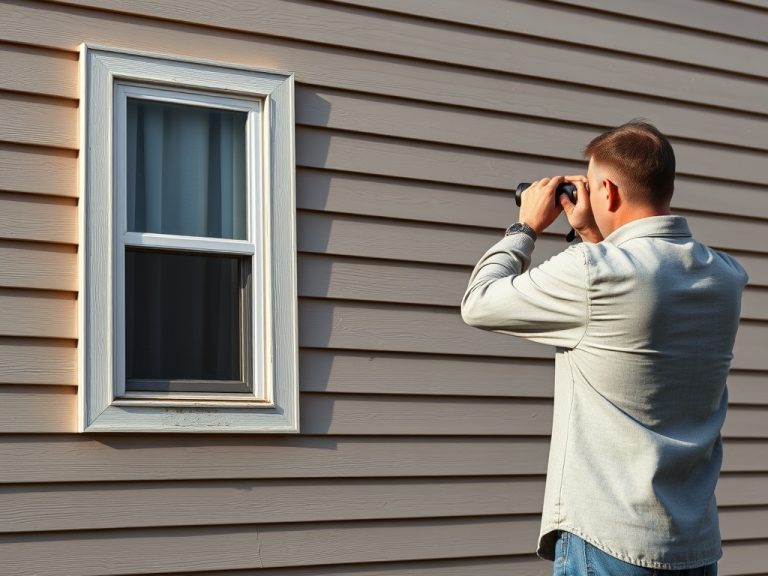
A small log, branch pile, stone edge, or undisturbed corner can shelter beetles, spiders, solitary wasps, and other predators that help control garden pests. Keep these features away from house siding if they create a moisture, termite, or fire concern in your region.
Leave some winter cover instead of clearing everything
Many beneficial insects overwinter in leaf litter, stems, loose bark, soil, and protected crevices. Cutting every perennial stem to the ground and removing every leaf in autumn can reduce those shelters. A more habitat-friendly approach is to move some leaves into garden beds, retain selected standing stems, and delay cleanup where practical.
That does not mean allowing diseased plant debris to accumulate. Remove material affected by a serious plant disease when extension guidance recommends sanitation. Habitat gardening is about selective retention, not neglect.
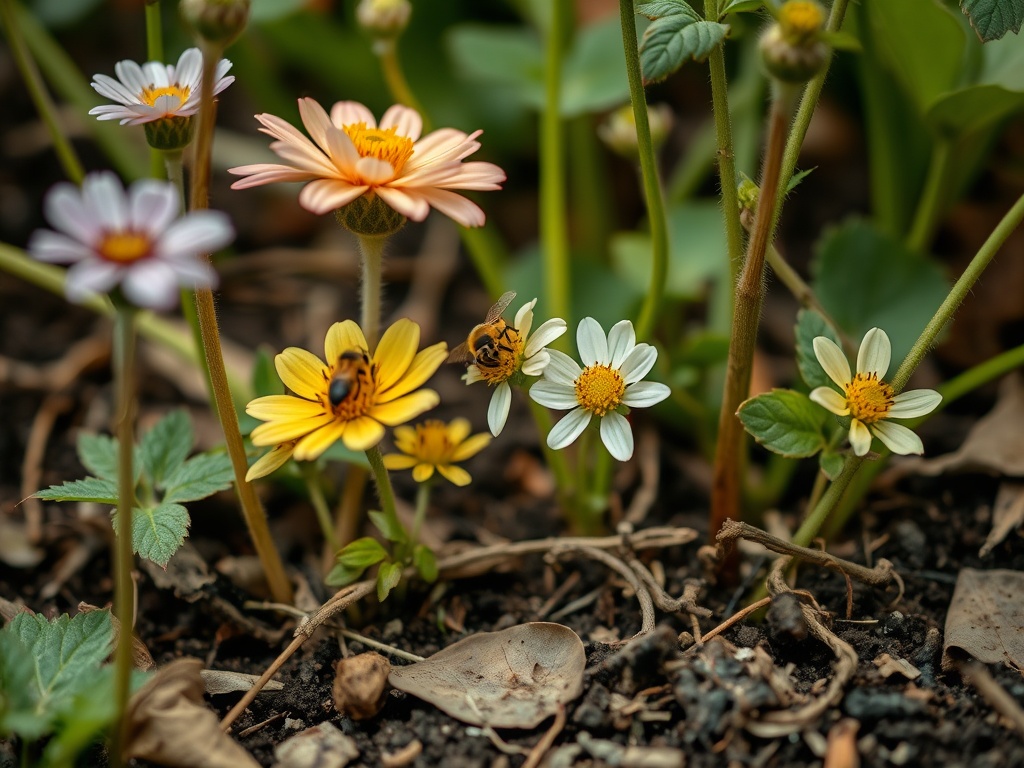
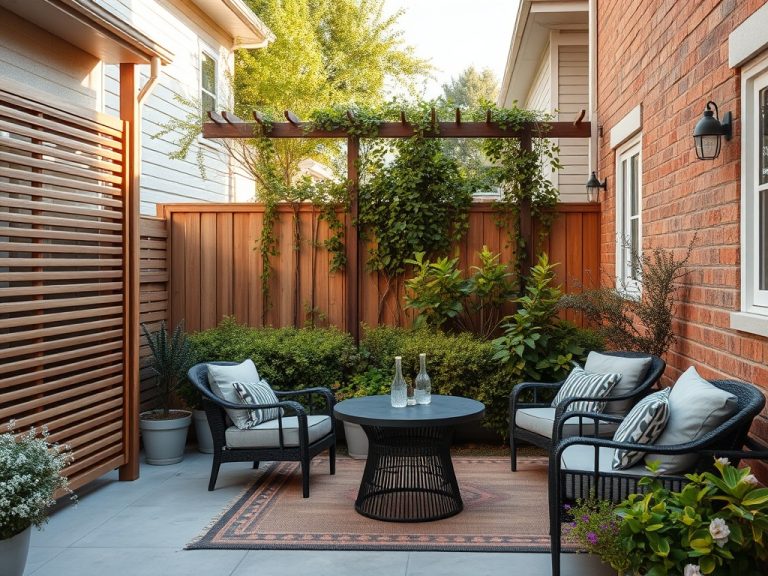
If appearance matters, concentrate “messier” habitat features toward the back of beds and maintain clean path edges. Clear design cues such as mown borders, defined paths, and repeated plant groups can make a wildlife-friendly garden look intentional while preserving ecological function.
Add water without creating a mosquito problem
Insects can use shallow water sources, but deep open containers can become hazards or mosquito breeding sites. A shallow dish with stones, a slowly dripping source, or damp sand can provide landing surfaces. Refresh small containers frequently and do not allow stagnant water to sit long enough for mosquito larvae to develop.
Natural moisture in healthy soil and plants may be sufficient in many gardens. Water features are optional; flowers and nesting habitat usually deserve higher priority. If you do add water, make it easy to clean and place it where spilled water will not create slippery surfaces or foundation moisture issues.
Reduce pesticide exposure with an IPM mindset
Beneficial insects cannot thrive in a garden that is repeatedly treated with broad-spectrum pesticides. Start by identifying the pest, confirming that damage is actually significant, and using cultural or mechanical controls where practical. Many leaf holes and small insect populations are compatible with a healthy garden food web.
If a pesticide is necessary, follow the label exactly and choose the most targeted approach available for the specific problem. Avoid spraying open blooms or treating areas where bees are actively foraging unless the product label and current local guidance specifically allow it. Pesticide rules, registered uses, and pollinator precautions vary, so check current information for your location.
Remember that herbicides and fungicides can also affect habitat by removing flowering plants or altering the resources insects use. “Bee-friendly” is not a property of a single product or plant; it is the result of how the whole garden is managed.
Design habitat that also works for people
Place tall stems where they will not flop into walkways, keep stinging-insect nesting areas away from doors and play zones, and use plant masses that are easy to weed and maintain. A garden that is comfortable for the household is more likely to remain in place long enough to benefit insects.
Reduce lawn only where another use is ready to replace it. A small flowering border, native shrub layer, or patch of bunchgrasses can add habitat without rebuilding the entire property at once. If turf has recurring pet damage, how to repair pet damage on grass can help stabilize the lawn portions you decide to keep.
Night lighting also matters for many insects. Use lights only where needed, direct them downward, and avoid making the garden brighter than necessary.
Build complexity gradually and observe what arrives
Start with a few high-value changes: extend bloom time, add regionally native plants, protect a bare-soil patch, leave some stems, and reduce routine pesticide use. Then watch the garden across seasons. The insects you see can help reveal which resources are working and which gaps remain.
Do not judge success by the number of honey bees alone. A diverse habitat may attract solitary native bees, wasps, beetles, flies, butterflies, moths, and predators you rarely noticed before. The goal is a more functional garden ecosystem, not a guaranteed count of any one insect.
Home and garden information is for educational purposes only and does not constitute professional horticultural, pest-control, pesticide, structural, electrical, environmental, or legal advice. Use region-specific plant and pesticide guidance and seek professional help for hazardous stinging-insect nests or regulated pesticide applications.[/