Pet urine spots can often be repaired by first confirming the grass is actually dead, flushing the affected soil with water, removing dead material when necessary, and reseeding or patching with turf that matches the surrounding lawn. The best repair method depends on whether the spot is only discolored or the turf crown and roots have been killed.
TL;DR: Brown pet spots are usually caused by concentrated nitrogen and salts, not by urine being “too acidic” or “too alkaline.” Water can help dilute salts when damage is fresh, while dead turf usually needs removal and reseeding or sod. Avoid supplements or lawn “neutralizers” marketed as guaranteed cures, and focus on lawn repair plus pet-management habits.
Start by confirming the type of pet damage
A classic urine spot often has a brown or straw-colored center with a darker green ring around it. That pattern happens because the center receives a concentrated dose of nitrogen and salts, while the edge receives a lower dose that can temporarily stimulate growth. Colorado State University Extension explains this mechanism in its guidance on dog urine damage to lawns.
Do not assume every circular brown patch comes from a pet. Fungal disease, insects, drought stress, fertilizer burn, mower scalping, compaction, and irrigation problems can create similar symptoms. Look at where the pet normally relieves itself, whether the spot appeared soon afterward, and whether the grass pulls free easily from the soil. If many patches appear outside the pet’s normal route, investigate other causes before reseeding the entire area.
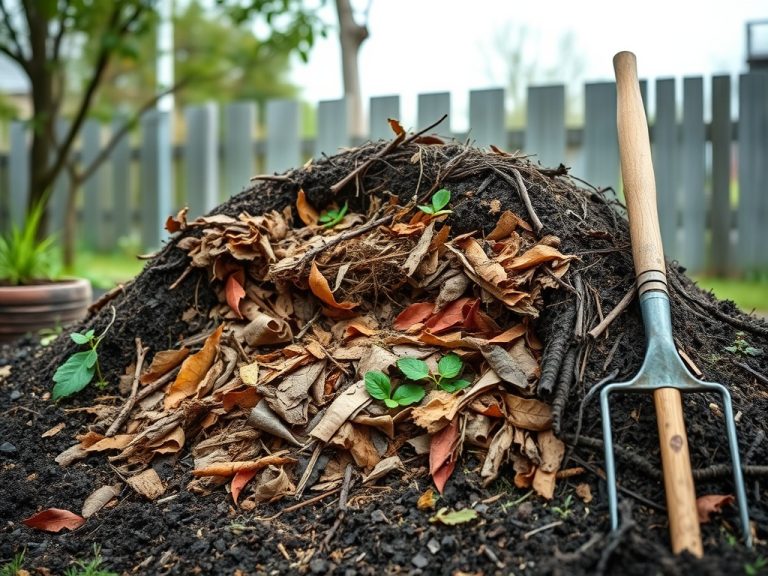
If repeated lawn repairs are part of a wider yard cleanup, keep clippings and garden waste organized rather than piling them against turf. A simple wood-pallet compost bin can contain appropriate yard material while keeping the repair area clear.
Gather simple repair tools and matching grass seed
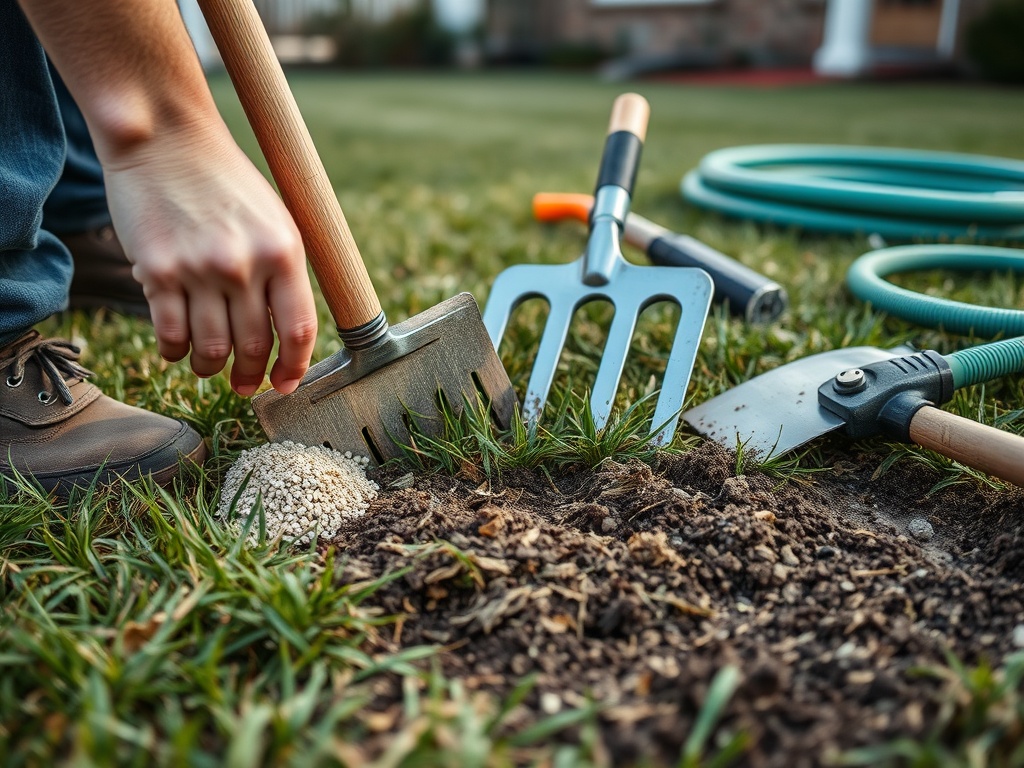
You usually need a garden hose, hand rake, small cultivator or trowel, clean topsoil or screened compost, and grass seed or a small sod patch. A handheld spreader is optional for larger repair areas. Choose seed that matches the existing turf as closely as possible so the repaired section does not mature into a visibly different texture or color.
Matching matters because turf species behave differently. A cool-season lawn may contain Kentucky bluegrass, perennial ryegrass, fine fescue, or tall fescue, while warm-season lawns may contain bermudagrass, zoysiagrass, centipedegrass, or St. Augustinegrass. If you are unsure what you have, compare leaf width and growth habit or ask a local cooperative extension office. Regional climate and the time of year strongly influence the best seeding window.
Avoid adding lime, baking soda, gypsum, dish soap, or other household materials simply because a pet urinated there. The soil does not need a generic “neutralizer,” and unnecessary amendments can create a second problem.
Step-by-step lawn repair
Repair fresh spots before the turf dies
If you catch a fresh urine spot soon after it happens, irrigate the small area with plain water. The goal is dilution, not saturation. Apply enough water to move the concentrated salts through a broader soil volume without creating puddles or runoff. This is most useful before the grass has fully browned.
Then leave the area alone for several days and observe it. Turf that is still alive may regain normal growth if the roots and crowns were not severely injured. Keep mowing at the normal height rather than cutting the spot extra short. Also avoid a heavy fertilizer application over the same area, because additional nitrogen can compound stress.
For repeated trouble in the same part of the yard, consider improving the pet routine rather than repeatedly repairing turf. A designated gravel, mulch, or durable ground-cover area can reduce concentrated damage in the main lawn. Any surface used by a pet should be comfortable, easy to clean, and free of sharp or toxic materials.
Reseed a brown spot that is truly dead
When the center is clearly dead, rake away loose blades and thatch until you can see soil. If the damaged sod is matted or compacted, lift the dead piece with a trowel and remove a shallow layer of affected soil. You do not need to excavate deeply unless another problem is present.
Loosen the top inch or so of soil, then mix in a small amount of clean topsoil or finished compost if the surface needs leveling. Do not bury healthy surrounding grass. Spread compatible seed at the label rate, lightly press it into the soil, and cover only as recommended for that seed type. Keep the repair evenly moist while seedlings establish, but do not leave the soil waterlogged.
A small sod patch can be faster than seed where immediate coverage matters. Cut the damaged area into a simple shape, remove dead turf to the depth of the replacement sod, fit the patch snugly, and water it so the roots stay moist during establishment. Sod species and installation timing vary by region, so local extension guidance is useful for exact recommendations.
If pet damage occurs near a composting or garden area, keep pet waste out of ordinary backyard compost. EPA guidance for composting at home lists pet waste among materials that should not go into a typical home compost pile because of potential pathogens.
Prevent repeat damage without harming your pet
The most reliable prevention methods focus on where and how often urine reaches the lawn. Train the pet to use a designated area when practical, rinse high-use turf after urination during dry weather, and keep the lawn appropriately irrigated so salts do not build up in already-dry soil. Do not overwater the entire lawn merely to prevent spots.
Be cautious with dietary supplements sold specifically to alter urine chemistry. Colorado State University advises consulting a veterinarian before giving additives intended to change urine pH or increase water intake. A lawn problem is not a good reason to make an unsupervised change to an animal’s diet.
You can also reduce visual contrast by maintaining the overall lawn correctly. A thin, nutrient-deficient lawn may show dark green urine rings more dramatically, while an overfertilized lawn may be more vulnerable to additional nitrogen. Use soil-test-based fertility guidance instead of guessing.
Troubleshoot patches that keep returning
If reseeded spots repeatedly fail, inspect the repair process. Seed may be drying out, the grass variety may be poorly adapted to the site, the pet may be using the same patch before establishment, or the soil may remain compacted. Shade, poor drainage, and sprinkler coverage can also prevent a repair from knitting into the surrounding lawn.
When several lawn problems overlap, focus on the root conditions before cosmetic patching. The soil, irrigation pattern, traffic level, grass species, and season all affect recovery. For a broader low-waste yard approach, the ideas in how to make compost faster without bad smells can also help turn appropriate yard trimmings into useful organic matter for garden beds rather than disposal.
A practical way to restore the lawn
Treat pet spots as small turf-repair projects rather than chemistry problems. Dilute fresh deposits, remove turf only when it is dead, match the replacement grass to the existing lawn, and protect new growth until it establishes. If damage is widespread or the turf never recovers despite correct care, a local turf specialist or cooperative extension office can help rule out disease, insects, irrigation faults, or soil problems.
Home and garden information is provided for educational purposes only and is not a substitute for professional horticultural, veterinary, pest-control, structural, electrical, or legal advice.[/