
A healthy lunch for a desk-based day should be satisfying, easy to portion, and practical to store or buy. A useful default combines vegetables or fruit, a protein source, a fiber-rich carbohydrate, and a small amount of flavorful fat, then adjusts portions to appetite, health needs, and activity.
TL;DR: Use a four-part lunch formula: produce, protein, high-fiber carbohydrate, and flavor. Pack water, plan a short movement break, and judge the meal by afternoon hunger, comfort, and consistency rather than by a single calorie target.
Sitting all day does not require a special diet
Desk work changes how much you move, but it does not create a unique category of food. Energy needs vary with body size, age, medications, health conditions, non-work activity, and goals. The practical challenge is that long seated periods can make eating automatic: lunch at the computer, snacks within reach, and few cues to pause or notice fullness.
Use an overall dietary pattern as the foundation. USDA MyPlate offers a simple visual emphasis on fruits, vegetables, grains, protein foods, and dairy or fortified alternatives. The Dietary Guidelines for Americans provide the broader federal evidence framework. Neither requires a perfect plate at every meal.
The four-part lunch formula
1. Start with produce
Vegetables and fruit add volume, fiber, texture, and micronutrients. Choose what travels well: roasted vegetables, salad greens packed separately from dressing, vegetable soup, apples, berries, oranges, or frozen vegetables heated with the meal. Variety across the week matters more than forcing a long list into one container.
2. Add a protein source
Options include beans, lentils, tofu, eggs, fish, poultry, yogurt, cottage cheese, or other foods that fit your preferences. Protein can help make lunch more substantial, but more is not always better. People with kidney disease or other medical nutrition needs should follow individualized guidance rather than generic high-protein advice.
3. Include a fiber-rich carbohydrate
Whole grains, beans, potatoes with skin, corn, and fruit can provide carbohydrate for work and activity. The portion can be adjusted instead of removed automatically. A person training after work may prefer more carbohydrate than someone who feels sleepy after a very large meal.
4. Use fat and flavor deliberately
Olive oil, avocado, nuts, seeds, tahini, cheese, herbs, salsa, and sauces can make repeatable meals appealing. Measure calorie-dense additions when portions tend to grow unnoticed, but do not strip the meal of flavor. Satisfaction supports consistency.
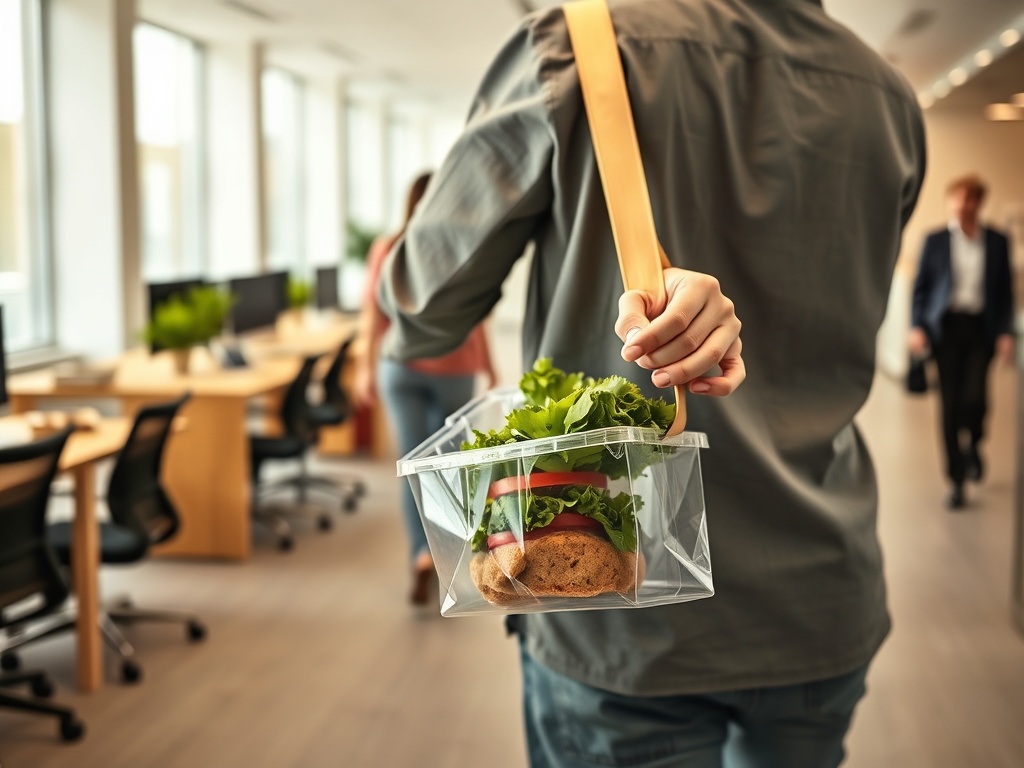
Ten lunch ideas that fit the formula
- Lentil and vegetable soup with whole-grain toast and fruit.
- Chicken, brown rice, and roasted vegetable bowl with yogurt-herb sauce.
- Chickpea salad wrap with crunchy vegetables and an apple.
- Tuna and white bean salad with tomatoes, greens, and whole-grain crackers.
- Tofu, edamame, and mixed vegetables over quinoa with a sesame-lime dressing.
- Egg and vegetable grain bowl with avocado and salsa.
- Plain yogurt with berries, oats, nuts, and a side of raw vegetables.
- Turkey or hummus sandwich with salad vegetables, fruit, and unsweetened yogurt.
- Black bean and sweet potato bowl with cabbage slaw and pumpkin seeds.
- Leftover dinner protein and vegetables repacked with a fresh fruit or salad.
These are structures, not mandatory recipes. Check sodium, allergens, food safety, and ingredients when buying prepared versions. A 'salad' can be light or very energy-dense depending on dressing, toppings, and portion; a sandwich can be balanced or incomplete depending on what accompanies it.
Plan for the desk-day environment
Pack lunch before the morning rush or assemble two to three components in batches. Keep an emergency option at work, such as shelf-stable beans, whole-grain crackers, tuna if appropriate, nuts, or a low-sodium soup. If refrigeration is unavailable, use an insulated bag and cold packs and follow food-safety guidance.
Eat away from the screen when possible. A brief change of setting makes it easier to notice the meal and creates a natural stopping point. Then add a short walk, stair break, or light movement. The goal is not to erase lunch. It is to interrupt sitting and support alertness. HHS guidance notes that activity can accumulate in small chunks, as explained in Move Your Way.
How to adjust the meal without chasing perfection
If you are hungry again within an hour, check whether lunch included enough total food, protein, fiber, and fluid. If you feel uncomfortably full or sluggish, reduce the portion slightly, move some food to an afternoon snack, or choose a less heavy preparation. If training after work, test a lunch and snack combination instead of relying on a huge midday meal.
For body-composition goals, the broader routine matters more than naming one lunch 'clean.' The guide to morning habits for body composition explains why sleep, movement, and meal planning work as a system. A single food does not determine fat loss or muscle gain.
Mistakes that make a good lunch plan hard to follow
- Packing a meal so small that vending-machine hunger is predictable.
- Removing all carbohydrate despite afternoon training or poor energy.
- Depending on a complicated recipe that cannot survive a busy week.
- Drinking calories automatically while overlooking water.
- Eating at the keyboard and missing fullness cues.
- Treating one off-plan lunch as a reason to abandon the week.
Lunch also supports the rest of your activity plan. If you strength train, use the frequency guide to decide where meals fit around recoverable sessions. If you prefer a flexible exercise structure, the classes-versus-programs guide can help you choose a plan that matches your workday.
Buying lunch without abandoning the formula
At a restaurant, cafeteria, or convenience store, assemble components rather than searching for a perfect menu label. Choose a protein-containing main item, add vegetables or fruit, and include a carbohydrate that matches appetite and activity. Dressing and sauces can be requested separately when portions are unpredictable. If choices are limited, make the best available combination and return to the usual pattern at the next meal. One purchased lunch does not require compensation through fasting or excessive exercise.
People with diabetes, gastrointestinal conditions, food allergies, kidney disease, pregnancy-related needs, or a history of disordered eating may need different meal timing or composition. A registered dietitian can translate medical needs into workable lunches without relying on generic restriction.
Build one lunch you can repeat this week
Keep the evaluation simple: Was the meal safe to store, easy to assemble, enjoyable, and satisfying through the next planned eating time? A lunch can be nutritious on paper yet fail because it leaks, requires unavailable refrigeration, or takes too long to eat. Practical fit is part of quality.
Choose one formula, buy enough for two servings, and note hunger and energy two to three hours later. Adjust one component next time. A dependable lunch is not the most photogenic option; it is a balanced meal you can prepare, carry, enjoy, and repeat.