How Often Do You Need Periodontal Maintenance After Gum Treatment?
After active gum disease treatment, most patients move to a periodontal maintenance schedule—typically every three to four months rather than the standard twice-yearly cleaning. This frequency reflects the biology of bacterial recolonization in periodontal pockets, not just caution.
Key Takeaways
- Periodontal maintenance visits are different from regular cleanings—they include pocket depth monitoring.
- Most patients stabilized after gum disease treatment are seen every three to four months.
- Bacterial populations in treated periodontal pockets can re-establish within 8–12 weeks.
- Returning to twice-yearly visits may be possible for well-controlled patients—your periodontist or dentist determines this.
- Skipping maintenance visits significantly increases the risk of disease recurrence and bone loss.
Why Periodontal Maintenance Is Different From a Regular Cleaning
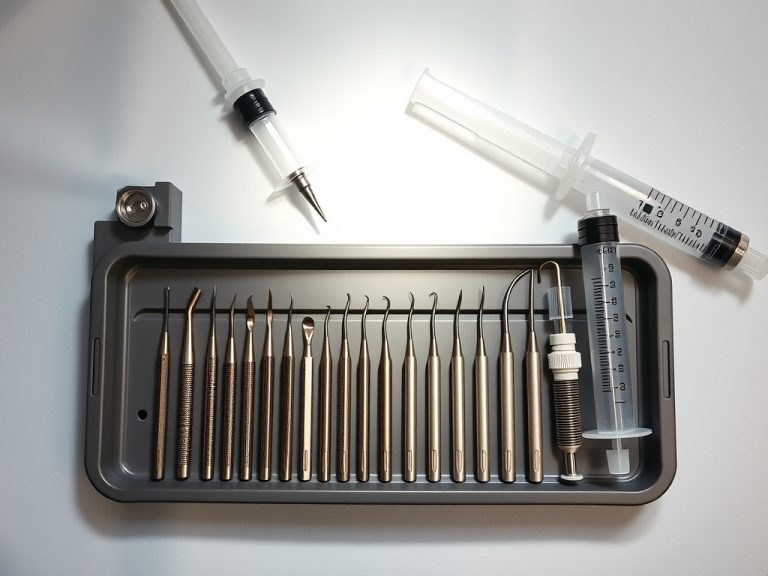
A routine prophylaxis (cleaning) is designed for patients without active gum disease. It removes supragingival plaque and calculus (above the gumline) and polishes tooth surfaces. Periodontal maintenance—formally called a supportive periodontal therapy (SPT) visit—goes further. It includes:
- Probing of all periodontal pockets to assess depth and detect changes from the last visit
- Subgingival cleaning (below the gumline) in areas where pockets remain
- Assessment of gum tissue and any changes to bone support
- Monitoring of the patient’s home care effectiveness
This is a more clinical visit than a routine cleaning, and the billing code is different. If you’ve completed active treatment (scaling and root planing or periodontal surgery), make sure your office is scheduling maintenance visits—not prophylaxis appointments.
The Science Behind Three-to-Four Month Intervals
Research published in the Journal of periodontology and other peer-reviewed sources has documented that subgingival bacterial populations—including the pathogens most closely associated with periodontal disease—can recolonize treated pockets in as little as 8 to 12 weeks. A three-month interval disrupts this recolonization cycle before it reaches the density associated with disease reactivation.
This is not a conservative estimate—it reflects decades of longitudinal research tracking patients after active periodontal treatment. Patients seen twice yearly during maintenance consistently show higher rates of disease recurrence than those on three-to-four month schedules.
Common Patient Questions About Frequency
“Can I go back to twice-yearly cleanings eventually?”
Possibly—but it depends on how your gum tissue responds and stabilizes over time. A small percentage of patients who have been in maintenance for several years without any sign of disease activity can be counseled toward a less frequent schedule. This is a clinical decision, not an administrative one. The majority of patients treated for moderate-to-severe periodontitis remain on a three-to-four month schedule indefinitely.
“My gums feel fine—do I still need to come in?”
Yes. Periodontal disease is frequently painless until it has progressed significantly. The absence of discomfort does not indicate the absence of active disease. This is exactly why monitoring pocket depths at scheduled intervals matters—changes that are invisible to the patient are detectable during a clinical exam.
“What if I miss a maintenance appointment?”
Missing a single visit increases recolonization time significantly. Try to reschedule within two to three weeks of a missed appointment. Missing multiple consecutive visits substantially raises the risk of disease recurrence, bone loss, and the need for retreatment.
What a Maintenance Visit Should Include
| Component | What It Involves | Why It Matters |
|---|---|---|
| Pocket probing | Measuring depth around every tooth | Detects early recurrence before visible symptoms |
| Radiographs (periodic) | X-rays at intervals determined by risk | Monitors bone levels over time |
| Subgingival debridement | Cleaning below gumline in active areas | Disrupts bacterial biofilm in pockets |
| Home care assessment | Review of brushing and flossing | Reinforces technique and identifies gaps |
| Risk reassessment | Review of systemic health, smoking, medications | Updates treatment recommendations based on changing factors |
What Affects Your Individual Schedule
Not every patient after gum treatment is on an identical schedule. Factors that may keep someone at shorter intervals include:
- Residual pocket depths of 5 mm or greater after active treatment
- History of rapid bone loss
- Poorly controlled diabetes (which significantly affects gum tissue response)
- Tobacco use (which reduces healing and increases recurrence risk)
Building these appointments into your overall dental budget is worth planning for. Since maintenance visits are more frequent than routine care, the annual cost is higher. The article on Out-of-network dentist costs: When Paying More May Still Make Sense covers how to think through provider choice and cost when ongoing specialized care is required.
Coordinating Between Your Dentist and Periodontist
If your active treatment was performed by a periodontist, maintenance may be co-managed between the periodontist and your general dentist—typically alternating visits. Clarify this with both offices to avoid gaps. Co-therapy models have been shown to improve patient compliance and long-term outcomes when both providers are communicating effectively.
Keeping your home care consistent between visits is equally important. The article on How to Build a Daily oral hygiene routine That Actually Works covers the specific techniques—especially around flossing and gumline cleaning—that most directly affect periodontal maintenance outcomes.
Questions About Often Periodontal Maintenance Gum Treatment
For Often Periodontal Maintenance Gum Treatment, this part of Questions About Often Periodontal Maintenance Gum Treatment focuses on the symptom history, previous treatment, current medicines, and the result the patient values most while cost and timing are compared, with the same details verified before the final recommendation is accepted. The clinician should also explain which examination finding supports each recommendation and what information could change it for Often Periodontal Maintenance Gum Treatment while comfort and function are assessed, using the examination and health history rather than a general assumption. Recording that explanation gives the patient a clearer next step for Often Periodontal Maintenance Gum Treatment while cost and timing are compared, especially when follow-up duties are reviewed before the final recommendation is accepted.
Clinical Checks for Often Periodontal Maintenance Gum Treatment
For Often Periodontal Maintenance Gum Treatment, this part of Clinical Checks for Often Periodontal Maintenance Gum Treatment focuses on confirmed findings, measurements, imaging, and health-history factors after the examination is explained, with the same details verified before the final recommendation is accepted. The clinician should also explain what remains uncertain and whether another test or specialist opinion would alter the plan for Often Periodontal Maintenance Gum Treatment while risks and alternatives are compared, using the examination and health history rather than a general assumption. Recording that explanation gives the patient a clearer next step for Often Periodontal Maintenance Gum Treatment after the examination is explained, especially when follow-up duties are reviewed before the final recommendation is accepted.
The Long-Term Picture
Periodontal maintenance is not a temporary phase after treatment—for most patients with a history of gum disease, it’s a permanent part of their dental care. The data is consistent: patients who comply with scheduled maintenance retain significantly more teeth over a 10- to 20-year period than those who don’t. The investment in regular maintenance visits is, for most patients, substantially less than the cost of retreatment or tooth replacement.
Home Care and Follow-Up for How Often Do You Need Periodontal Maintenance After Gum Treatment
For Often Periodontal Maintenance Gum Treatment, this part of Home Care and Follow-Up for How Often Do You Need focuses on safe cleaning tools, foods, products, and daily techniques when a second opinion is considered, with the same details verified before the final recommendation is accepted. The clinician should also explain which changes are expected and which should prompt an earlier call for Often Periodontal Maintenance Gum Treatment when the follow-up plan is written, using the examination and health history rather than a general assumption. Recording that explanation gives the patient a clearer next step for Often Periodontal Maintenance Gum Treatment when a second opinion is considered, especially when follow-up duties are reviewed before the final recommendation is accepted.
Comparing Options for Often Periodontal Maintenance Gum Treatment
Before choosing a path for How Often Do You Need Periodontal Maintenance After Gum Treatment, identify which trade-off matters least and which clinical risk matters most while comfort and function are assessed. When comparing approaches to How Often Do You Need Periodontal Maintenance After Gum Treatment, use the same criteria for every option: expected benefit, limitations, durability, maintenance, timing, and total cost.