How to Build a Daily Oral Hygiene Routine That Actually Works
A consistent, properly executed oral hygiene routine prevents the majority of cavities and gum disease. Most adults brush twice a day but fall short in technique, timing, or flossing consistency—gaps that compound over time into real dental problems.
Key Takeaways
- Brushing twice a day with fluoride toothpaste and flossing once daily removes the plaque responsible for most cavities and gum disease.
- Technique matters as much as frequency—scrubbing too hard or brushing too briefly undermines the benefit.
- Electric toothbrushes consistently outperform manual brushes for plaque removal in research settings.
- Most people skip flossing, which leaves 35–40% of each tooth’s surface uncleaned.
- A dentist can identify personalized gaps in your home care during routine exams.
The Foundation: Brushing Done Right
Equipment
Use a soft-bristled toothbrush—medium and hard bristles can abrade enamel and irritate gum tissue. Replace it every three to four months, or earlier if the bristles are visibly splayed. Electric toothbrushes with oscillating or sonic heads have been shown in multiple clinical studies to remove more plaque than manual brushing, and many models have built-in two-minute timers that improve compliance.
Technique for How to Build a Daily Oral Hygiene Routine That Actually Works
Hold the brush at a 45-degree angle to the gumline and use short, gentle circular strokes. Cover all surfaces—outer, inner, and chewing surfaces. The inner surfaces of the lower front teeth (a frequently missed area) require tilting the brush vertically. Brush for a full two minutes. Most adults brush for less than a minute, missing significant surface coverage.
Toothpaste
Fluoride toothpaste is the single most evidence-supported choice for cavity prevention. Adults should use a full 1.5–2 cm strip (approximately a pea size is often described, but this is enough). The American dental association recommends fluoride toothpaste for all adults and children over age three.
Step-by-Step: Morning and Evening Routine
- Morning: Brush teeth for two full minutes before or after breakfast. If eating acidic foods (citrus, coffee), wait 30 minutes before brushing to avoid abrading softened enamel.
- Evening: Floss first, then brush. Flossing before brushing allows fluoride from toothpaste to reach the cleaned interproximal surfaces.
- Floss once daily. See the section below on technique.
- Consider rinsing with a fluoride mouthwash if your dentist has flagged elevated cavity risk. Wait 30 minutes after rinsing before eating or drinking.
- Clean your tongue. The dorsal surface of the tongue harbors bacteria that contribute to bad breath. A tongue scraper or the back of your toothbrush head works.
Flossing: The Step Most Patients Skip
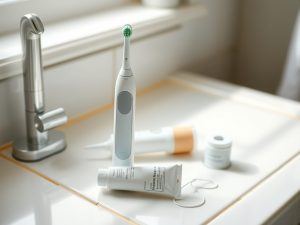
Flossing removes plaque and food from the contact areas between teeth—surfaces that a toothbrush cannot reach. These areas account for a significant proportion of cavity development in adults.
Planning Notes for Build Daily Oral Hygiene Routine That Actually Works
Use 18 inches of floss, winding most of it around each middle finger and working with a fresh section between each pair of teeth. Curve the floss in a C-shape around each tooth and slide it gently below the gumline, using an up-and-down motion rather than a sawing motion. Snapping the floss down sharply between teeth can injure gum tissue.
Flossing Alternatives
- Interdental brushes: Effective for wider spaces, fixed bridgework, or patients with dexterity limitations.
- Water flossers: Useful as an adjunct and for patients with braces, but research suggests they don’t fully replace string floss for contact-area plaque removal.
- Pre-threaded flossers: More convenient for some patients; technique and coverage matter more than the device type.
For supporting context on How to Build a Daily Oral Hygiene Routine That Actually Works, review How Often Do You Need Periodontal maintenance after gum treatment?. Then compare the linked guidance with the examination findings for How to Build a Daily Oral Hygiene Routine That Actually Works while the options are being narrowed, and ask which details do not apply to the current case.
Mistakes to Avoid With Build Daily Oral Hygiene Routine That Actually Works
| Mistake | What It Does | What to Do Instead |
|---|---|---|
| Brushing too hard | Abrades enamel, recedes gum tissue | Gentle pressure; let bristles do the work |
| Rinsing immediately after brushing | Washes away fluoride before it absorbs | Spit, don’t rinse, or rinse with fluoride mouthwash |
| Skipping the gumline | Leaves plaque at the most vulnerable site for gum disease | Angle brush at 45 degrees to the gumline |
| Inconsistent flossing | Leaves 35-40% of tooth surface uncleaned | Floss at the same time daily—habit stacking helps |
| Not replacing the toothbrush | Frayed bristles clean poorly | Replace every 3–4 months; sooner if visibly worn |
Planning Notes for Build Daily Oral Hygiene Routine That Actually Works During Planning
Dental hygienists can identify exactly where you’re missing plaque using a disclosing agent or by noting wear patterns. If you’re consistently getting cavities in the same location or your gum disease isn’t improving, a technique review at your next cleaning is worth requesting. For patients setting up care for the first time, the article on How New patient paperwork and health history shape the First Dental Visit explains what to expect and how to make that first appointment productive.
Questions About Build Daily Oral Hygiene Routine That Actually Works
For Build Daily Oral Hygiene Routine That Actually Works, this part of Questions About Build Daily Oral Hygiene Routine That Actually Works focuses on the symptom history, previous treatment, current medicines, and the result the patient values most while comfort and function are assessed, with the same details verified before the final recommendation is accepted. The clinician should also explain which examination finding supports each recommendation and what information could change it for Build Daily Oral Hygiene Routine That Actually Works while recovery expectations are clarified, using the examination and health history rather than a general assumption. Recording that explanation gives the patient a clearer next step for Build Daily Oral Hygiene Routine That Actually Works while comfort and function are assessed, especially when follow-up duties are reviewed before the final recommendation is accepted.
Clinical Checks for Build Daily Oral Hygiene Routine That Actually Works
For Build Daily Oral Hygiene Routine That Actually Works, this part of Clinical Checks for Build Daily Oral Hygiene Routine That Actually focuses on confirmed findings, measurements, imaging, and health-history factors before consent is finalized, with the same details verified before the final recommendation is accepted. The clinician should also explain what remains uncertain and whether another test or specialist opinion would alter the plan for Build Daily Oral Hygiene Routine That Actually Works before treatment is scheduled, using the examination and health history rather than a general assumption. Recording that explanation gives the patient a clearer next step for Build Daily Oral Hygiene Routine That Actually Works before consent is finalized, especially when follow-up duties are reviewed before the final recommendation is accepted.
Building the Habit
The most effective oral hygiene routine is the one you actually do consistently. If flossing every day feels like too much, starting with three times a week is better than nothing—build from there. Habit stacking (attaching flossing to an existing routine, like right after brushing at night) significantly improves long-term compliance. The two-minute brush timer on most electric toothbrush models serves the same function.
Most dental problems that require expensive treatment—fillings, crowns, root canals, periodontal therapy—result from plaque that wasn’t removed consistently over time. An investment of five minutes daily at home is the most cost-effective dental care available.
Warning Signs for Build Daily Oral Hygiene Routine That Actually Works
For Build Daily Oral Hygiene Routine That Actually Works, this part of Warning Signs for Build Daily Oral Hygiene Routine That Actually focuses on stable symptoms versus swelling, fever, trauma, bleeding, drainage, or loss of function when the follow-up plan is written, with the same details verified before the final recommendation is accepted. The clinician should also explain how quickly the condition is changing and whether delay could increase risk for Build Daily Oral Hygiene Routine That Actually Works as the long-term result is reviewed, using the examination and health history rather than a general assumption. Recording that explanation gives the patient a clearer next step for Build Daily Oral Hygiene Routine That Actually Works when the follow-up plan is written, especially when follow-up duties are reviewed before the final recommendation is accepted.