TL;DR
A curated movie night comes down to three decisions made before your guests arrive: a unifying theme, a deliberate viewing order, and a setting that matches the mood. Skip any one of these and the evening feels like channel surfing.
Picking a movie at random is fine for a Tuesday solo rewatch. When you’re hosting, randomness reads as indifference. A curated night signals care, and care is what makes guests talk about the evening long after the credits roll.
Start with a Unifying Thread, Not Just a Title
The most common hosting mistake is leading with “what should we watch?” That question puts the burden on guests and almost always ends in a compromise that satisfies no one.
Instead, choose a frame before anyone arrives. A frame can be:
- A director’s body of work (“anything Bong Joon-ho”)
- A decade and genre (“1970s American New Wave”)
- A thematic pairing (“two films about memory and grief”)
- A location (“films shot entirely in one building”)
A frame gives the night a spine. Even if a guest hasn’t seen the film, they understand why it was chosen.
If you’re unsure where to start, film discovery tools like Letterboxd’s lists feature or the Criterion Channel’s curated collections are genuinely useful for finding thematic groupings that hold up.
Choose the Order Intentionally
If you’re screening more than one film or pairing a short with a feature, sequence matters. A lighter or shorter piece first lowers the activation energy for guests who are tired or unfamiliar with your chosen genre. Save the heavier or longer film for when everyone is settled in.
For single-film nights, the equivalent decision is choosing the right moment to press play. Letting conversation breathe before starting, rather than dimming lights the moment the last guest sits down, gives the room time to settle.
Prepare the Room Before Guests Arrive
Ambiance isn’t about expense. It’s about alignment. The physical setup should signal to guests that the next two hours are different from everyday TV watching.
Practical steps that cost nothing:
- Set the lighting to match the film’s mood (warmer for drama, cooler or dimmer for thrillers)
- Clear sight lines so no one has to crane around a lamp or a shoulder
- Silence or remove notification sounds from all devices in the room
- Have food and drinks fully set up before the film starts, not mid-scene
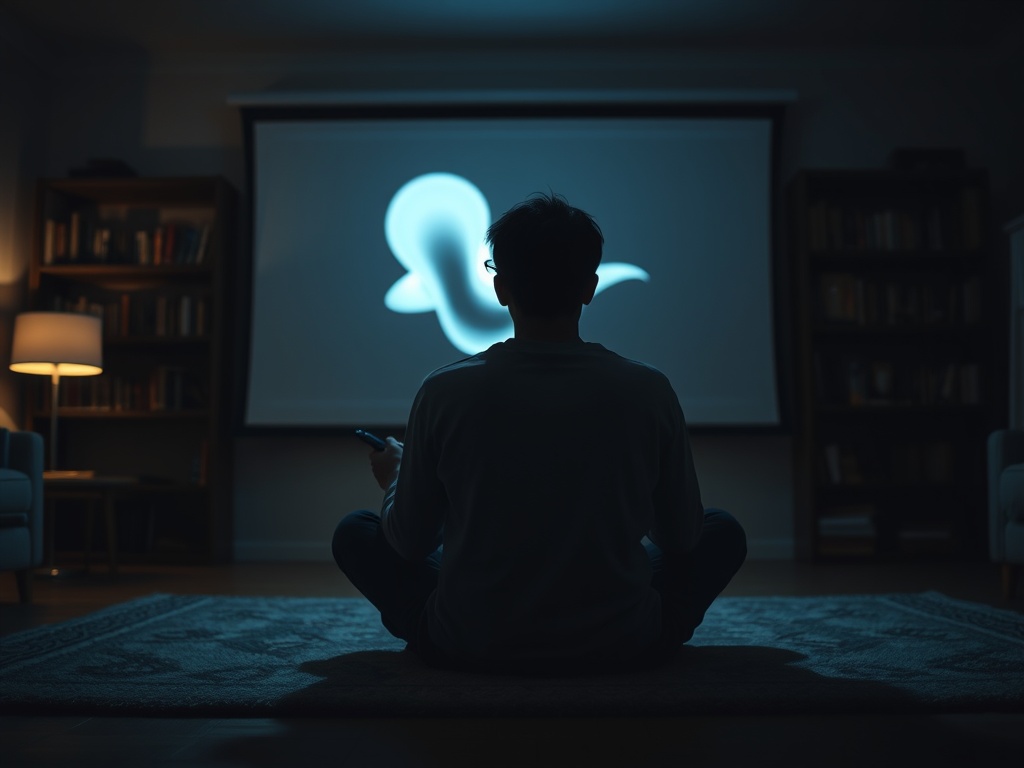
Larger investments like a projector setup can enhance the experience, but the fundamentals of attention management matter more. For readers thinking about longer-term home entertainment upgrades, understanding what the business behind shrinking cable bundles and expanding streaming ecosystems means for content availability is a useful backdrop for deciding which hardware is worth the spend.
Build a Simple Pre-Show
A pre-show takes five to ten minutes and dramatically shifts the mood before the film starts. It doesn’t need to be elaborate.
Options include:
- A related short film or documentary clip
- A theatrical trailer from the film’s original release year
- A brief spoken introduction to why you chose this film
The introduction is underused. Two or three sentences about why the film matters to you, or what you hope the audience notices, gives guests a lens before the first frame. This is what programmers at film festivals do, and it works at home too.
Manage Intermissions Deliberately
For films over two hours, a planned intermission is better than an unplanned bathroom break. Pause at a natural narrative break — ideally just before or just after a major scene transition — rather than at a random timestamp.
Announce the intermission timing before the film starts so guests can manage their own comfort accordingly. A good intermission is 10 to 15 minutes: long enough for a reset, short enough that the narrative thread doesn’t go cold.
What DIY Works For, and When to Get Help
Most elements of a curated movie night are entirely self-managed. Theme selection, room setup, sequencing, and pre-show material are all within reach of any host willing to spend an hour in preparation.
Where hosts sometimes struggle is in source quality. Streaming rights shift constantly, and a film you planned to show may disappear from a platform before the event. Build a backup plan: know in advance whether you can rent the film digitally or borrow a physical copy. If you’re planning a recurring movie night series, it may be worth understanding how to compare bundled streaming deals without overpaying so you’re not paying for multiple services just to guarantee access to one catalogue.
How to Measure Whether It Worked
A successful curated night produces conversation about the film — not just during credits, but in the days after. If guests text you the next morning to recommend something similar, the curation landed.
Simpler in-the-room signals: guests staying through credits, asking questions about the director or era, or wanting to watch the next film in a series you suggested. These are the signs that the frame held.
If guests spent the film on their phones, the film choice and the room setup are the variables worth changing. Length and subtitles are often blamed, but they’re rarely the real cause.